
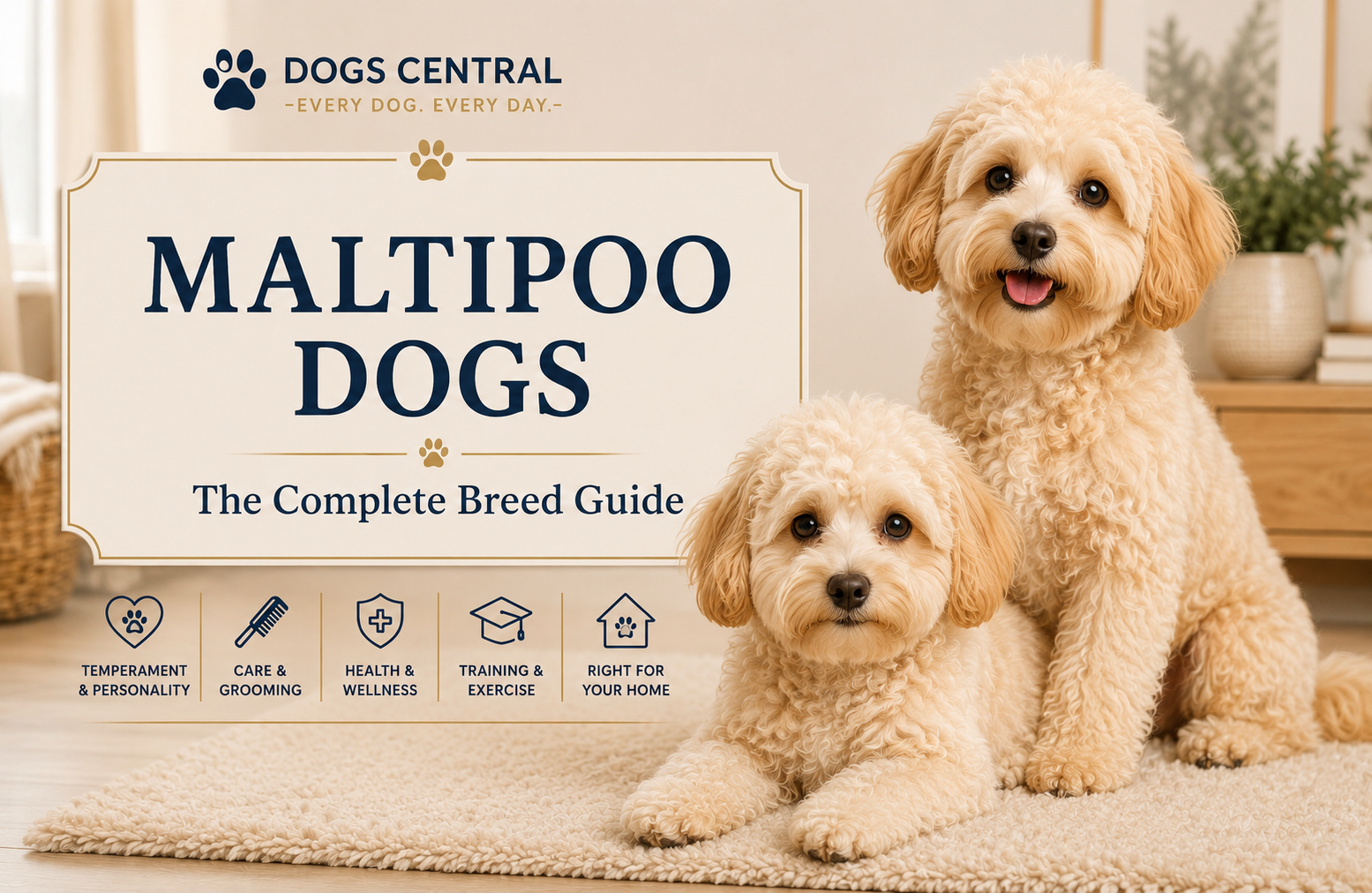
Maltipoo Dog Breed Guide
 The Maltipoo is one of the world’s most popular designer dog breeds, loved for its affectionate personality, teddy bear appearance, and adaptable nature. A cross between the Maltese and the Toy or Miniature Poodle, the Maltipoo combines the intelligence of the Poodle with the gentle, people-oriented temperament of the Maltese. The result is a cheerful companion that thrives on human interaction and fits comfortably into a wide variety of homes and lifestyles.
Whether you’re looking for a playful family pet, a devoted companion for retirement, or a small dog that’s well suited to apartment living, the Maltipoo deserves a place on your shortlist. Their compact size, friendly personality, and eagerness to please make them an excellent choice for many first-time dog owners. While they’re often described as low-shedding, prospective owners should understand that Maltipoos still require regular grooming and benefit from consistent training and socialization from an early age.
One of the reasons Maltipoos have become so popular is their remarkable versatility. Most enjoy meeting new people, get along well with respectful children and other pets, and are equally happy joining their owners on a walk or curling up beside them on the couch. They tend to form strong bonds with their families and generally prefer being involved in everyday life rather than spending long periods alone.
 Because the Maltipoo is a crossbreed rather than a recognized purebred dog, no two individuals are exactly alike. Some inherit more of the Maltese’s calm, affectionate nature, while others display the Poodle’s athleticism, intelligence, and enthusiasm for learning. Coat type, size, and even personality can vary depending on the characteristics inherited from each parent, making every Maltipoo unique.
Throughout this guide, you’ll learn everything you need to know about the Maltipoo, including temperament, size, exercise requirements, grooming, health, nutrition, training, family compatibility, and how to decide whether this charming designer dog is the right fit for your home. Whether you’re researching your first puppy or already share your life with a Maltipoo, our goal is to provide practical, evidence-based information to help you become the very best dog owner you can be.
🐾 Dogs Central Recommendation
The Maltipoo is an excellent choice for families, seniors, apartment dwellers, and first-time dog owners who want an affectionate companion and are prepared to invest time in regular grooming, training, and plenty of companionship.
Maltipoo Breed Guide Contents
Jump straight to the section you’re looking for, or simply scroll through our complete guide to discover everything you need to know about living with a Maltipoo.
- Quick Breed Snapshot
- Dogs Central Report Card
- Meet the Maltipoo
- Photo Gallery
- Personality & Temperament
- Understanding the Maltipoo
- Size
- Coat Colors & Types
- Grooming
- Exercise & Activity
- Training
- Nutrition
- Health
- Family Compatibility
- Apartment Living
- First-Time Owners
- Is a Maltipoo Right for You?
- Choosing a Breeder
- Adoption & Rescue
- Frequently Asked Questions
- Continue Exploring
- Trusted Resources
Maltipoo Dog Breed Guide
 The Maltipoo is one of the world’s most popular designer dog breeds, loved for its affectionate personality, teddy bear appearance, and adaptable nature. A cross between the Maltese and the Toy or Miniature Poodle, the Maltipoo combines the intelligence of the Poodle with the gentle, people-oriented temperament of the Maltese. The result is a cheerful companion that thrives on human interaction and fits comfortably into a wide variety of homes and lifestyles.
Whether you’re looking for a playful family pet, a devoted companion for retirement, or a small dog that’s well suited to apartment living, the Maltipoo deserves a place on your shortlist. Their compact size, friendly personality, and eagerness to please make them an excellent choice for many first-time dog owners. While they’re often described as low-shedding, prospective owners should understand that Maltipoos still require regular grooming and benefit from consistent training and socialization from an early age.
One of the reasons Maltipoos have become so popular is their remarkable versatility. Most enjoy meeting new people, get along well with respectful children and other pets, and are equally happy joining their owners on a walk or curling up beside them on the couch. They tend to form strong bonds with their families and generally prefer being involved in everyday life rather than spending long periods alone.
Because the Maltipoo is a crossbreed rather than a recognized purebred dog, no two individuals are exactly alike. Some inherit more of the Maltese’s calm, affectionate nature, while others display the Poodle’s athleticism, intelligence, and enthusiasm for learning. Coat type, size, and even personality can vary depending on the characteristics inherited from each parent, making every Maltipoo unique.
Throughout this guide, you’ll learn everything you need to know about the Maltipoo, including temperament, size, exercise requirements, grooming, health, nutrition, training, family compatibility, and how to decide whether this charming designer dog is the right fit for your home. Whether you’re researching your first puppy or already share your life with a Maltipoo, our goal is to provide practical, evidence-based information to help you become the very best dog owner you can be.
🐾 Dogs Central Recommendation
The Maltipoo is an excellent choice for families, seniors, apartment dwellers, and first-time dog owners who want an affectionate companion and are prepared to invest time in regular grooming, training, and plenty of companionship.
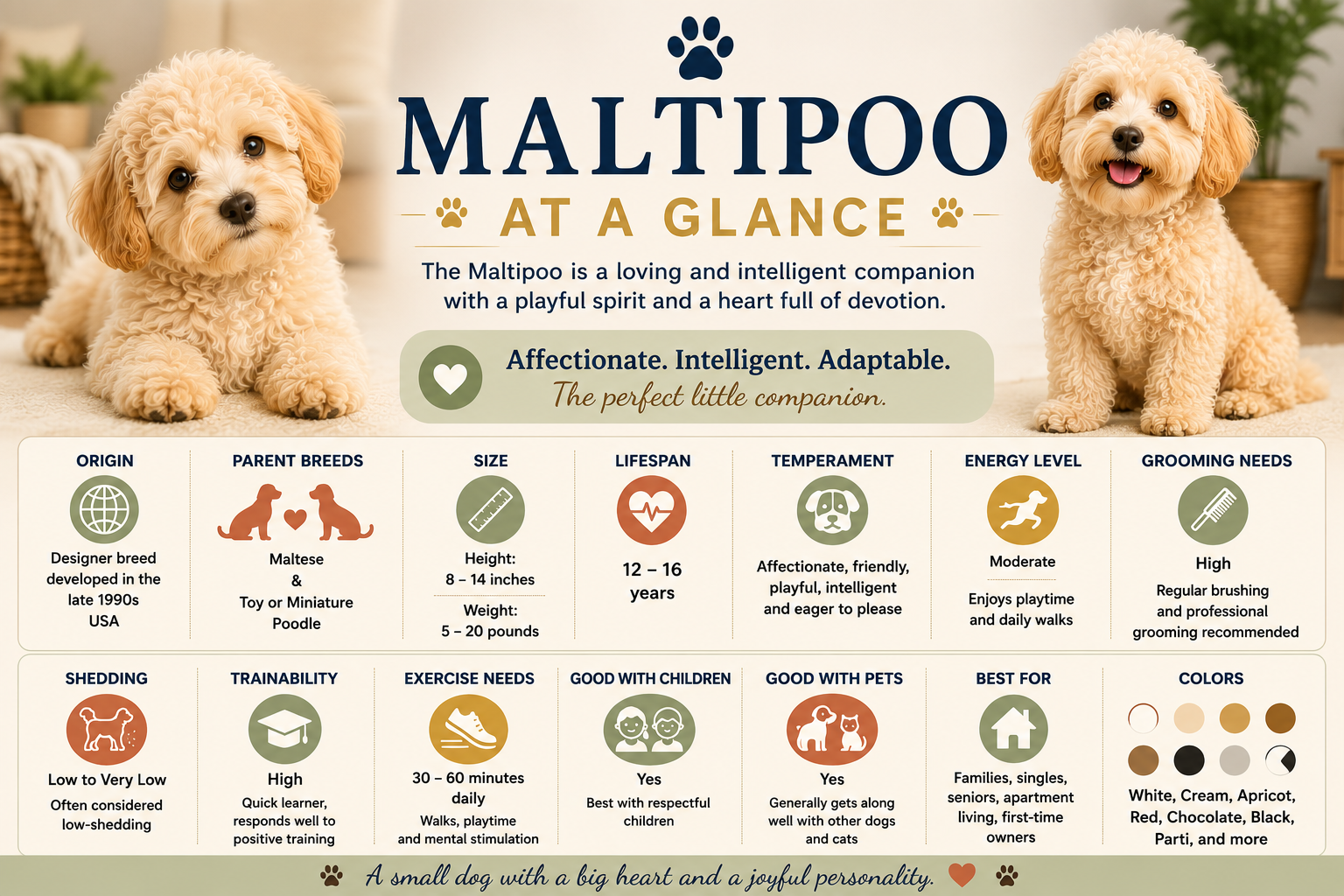
Maltipoo at a Glance
If you’re looking for a quick overview, this infographic highlights the Maltipoo’s most important characteristics. From size and lifespan to temperament, grooming needs, and exercise requirements, it’s a handy snapshot of what you can expect from this affectionate and intelligent designer breed.
Quick Breed Snapshot
If you’re looking for a small, affectionate companion with a soft, teddy bear appearance and an outgoing personality, the Maltipoo is easy to understand. This charming cross between the Maltese and the Toy or Miniature Poodle has become one of the world’s most popular designer dogs thanks to its intelligence, adaptability, and loving nature.
While no dog is completely maintenance-free, Maltipoos fit comfortably into many different lifestyles. They generally thrive with families, seniors, singles, and first-time dog owners who can provide companionship, gentle training, regular grooming, and plenty of affection.
| Breed Type | Designer companion dog |
|---|---|
| Parent Breeds | Maltese × Toy Poodle or Miniature Poodle |
| Size | 8–14 inches (20–36 cm) |
| Weight | 5–20 pounds (2–9 kg), depending on parent size |
| Life Expectancy | 12–16 years |
| Energy Level | Moderate |
| Exercise Needs | 30–60 minutes daily |
| Trainability | Very high |
| Shedding | Low |
| Grooming | High — brushing several times weekly and professional grooming every 6–8 weeks |
| Good With Children | Yes, with gentle handling and supervision around very young children |
| Good With Other Pets | Usually excellent with proper socialization |
| Apartment Friendly | Excellent |
| Beginner Friendly | Excellent |
| Best For | Families, seniors, apartment dwellers, retirees, and first-time dog owners seeking a devoted companion |
Maltipoos are happiest when they’re included in everyday family life. They’re companion dogs through and through, and they don’t enjoy spending long hours alone. If you’re home often and looking for a loving shadow who wants to be part of everything you do, the Maltipoo may be an excellent match.
Dogs Central Report Card
Every dog breed has its own strengths, challenges, and unique personality. Our Dogs Central Report Card provides a quick overview of how the Maltipoo performs in the areas that matter most to prospective owners. While individual dogs vary depending on their genetics, upbringing, and training, these ratings reflect what most owners can typically expect from a well-socialized Maltipoo.
| Category | Rating |
|---|---|
| ❤️ Affection with Family | ★★★★★ (5/5) |
| 👶 Good with Children | ★★★★☆ (4/5) |
| 🐶 Good with Other Dogs | ★★★★★ (5/5) |
| 🐱 Good with Other Pets | ★★★★★ (5/5) |
| 🧠 Intelligence | ★★★★★ (5/5) |
| 🎓 Ease of Training | ★★★★★ (5/5) |
| ⚡ Energy Level | ★★★☆☆ (3/5) |
| 🚶 Exercise Needs | ★★★☆☆ (3/5) |
| ✂️ Grooming Requirements | ★★★★★ (5/5) |
| 🏠 Apartment Living | ★★★★★ (5/5) |
| 🕒 Can Be Left Alone | ★★☆☆☆ (2/5) |
| 🩺 Overall Health | ★★★★☆ (4/5) |
| 🎉 Playfulness | ★★★★★ (5/5) |
| 🔊 Barking Tendency | ★★★☆☆ (3/5) |
| 🐾 First-Time Owner Friendly | ★★★★★ (5/5) |
The Maltipoo earns consistently high marks because it combines the affectionate nature of the Maltese with the intelligence and trainability of the Poodle. The breed’s biggest challenges are grooming needs and a tendency to become lonely if left alone for long periods. Families who can provide companionship and regular coat care are often rewarded with an exceptionally loving, cheerful companion.
Getting to Know the Maltipoo
 With its teddy bear looks, bright personality, and unwavering devotion to its family, it’s easy to see why the Maltipoo has become one of the world’s most beloved designer dogs. Created by crossing a Maltese with a Toy or Miniature Poodle, the Maltipoo combines the affectionate nature of the Maltese with the intelligence and trainability of the Toy Poodle or Miniature Poodle, creating a companion that is both charming and highly adaptable.
Whether you live in a downtown apartment, a suburban family home, or a quiet retirement community, the Maltipoo has an uncanny ability to fit into almost any lifestyle. They thrive on companionship and are happiest when they’re involved in the daily lives of the people they love. From greeting you at the door with a wagging tail to curling up beside you on the couch after a busy day, Maltipoos excel at making their owners feel adored.
Although their adorable appearance often steals the spotlight, there’s much more to the Maltipoo than a cute face. They are intelligent, eager to please, playful without being overly demanding, and generally friendly toward both people and other pets. With proper training, socialization, and regular grooming, a Maltipoo can be a wonderful companion for families, seniors, singles, and first-time dog owners alike.
What Is a Maltipoo?
The Maltipoo is a designer dog created by crossing a purebred Maltese with either a Toy Poodle or Miniature Poodle. Unlike purebred dogs that have established breed standards recognized by major kennel clubs, Maltipoos are intentionally bred to combine desirable traits from two well-loved companion breeds.
Because they’re a hybrid rather than a standardized breed, no two Maltipoos are exactly alike. Some inherit more of the Maltese’s silky white coat and gentle temperament, while others take after the Poodle with curlier coats, longer legs, or slightly higher energy levels. Many display a delightful combination of characteristics from both parents.
This natural variation is part of the breed’s appeal. Responsible breeders focus on producing healthy, well-socialized puppies with stable temperaments rather than trying to create identical dogs.
The History of the Maltipoo
The Maltipoo first appeared in North America during the 1990s, when interest in designer companion dogs began to grow rapidly. Breeders hoped to combine the affectionate personality of the Maltese with the intelligence and low-shedding coat of the Poodle, creating a small family companion suited to modern lifestyles.
Although the Maltipoo itself is a relatively recent cross, both parent breeds have long and fascinating histories. The Maltese has been treasured as a companion dog for more than two thousand years, while the Poodle has earned worldwide respect for its intelligence, athletic ability, and remarkable versatility.
Today, the Maltipoo has become one of the most recognizable and popular designer dogs, admired for its friendly personality, compact size, and ability to thrive in a wide variety of homes.
The Maltese × Toy or Miniature Poodle
One of the Maltipoo’s greatest strengths is the combination of qualities inherited from its parent breeds.
- Maltese: Contributes affection, loyalty, gentleness, and a strong desire to be close to its people.
- Toy or Miniature Poodle: Brings exceptional intelligence, eagerness to learn, athletic ability, and a coat that sheds very little.
Depending on genetics, one Maltipoo may behave more like a laid-back lap dog, while another may inherit more of the Poodle’s lively enthusiasm for games, training, and interactive activities. This variation is perfectly normal and helps make every Maltipoo unique.
Why Are Maltipoos So Popular?
Few companion dogs check as many boxes as the Maltipoo. They’re small enough for apartment living, intelligent enough to excel in training, affectionate enough to become deeply bonded with their families, and playful enough to keep life entertaining.
Many owners are also attracted to the breed’s low-shedding coat. While no dog is completely hypoallergenic, Maltipoos generally shed far less than many other breeds. Regular brushing and professional grooming every six to eight weeks are essential to keep the coat healthy, comfortable, and free of mats.
Perhaps most importantly, Maltipoos genuinely enjoy being with people. They don’t simply tolerate family life—they actively seek it out, often following their favourite person from room to room and wanting to participate in everything that’s happening.
Understanding Designer Dog Genetics
Unlike purebred dogs, Maltipoos don’t all inherit exactly the same characteristics. Coat texture, colour, adult size, energy level, and even personality can vary considerably, sometimes even between puppies in the same litter.
You’ll often see breeders describe their puppies using terms such as F1, F1B, or multigeneration.
- F1 Maltipoo: A first-generation cross between a purebred Maltese and a purebred Toy or Miniature Poodle.
- F1B Maltipoo: An F1 Maltipoo bred back to a Poodle, often resulting in a curlier coat that may shed even less.
- Multigeneration Maltipoo: Produced by breeding Maltipoos from previous generations together rather than crossing two purebred parents.
These labels can provide a general idea of coat type and appearance, but they don’t guarantee temperament, intelligence, or health. Responsible breeding practices, comprehensive health testing, early socialization, positive training, proper nutrition, and lifelong veterinary care have a much greater influence on whether a Maltipoo develops into a confident, healthy, and well-adjusted companion.
If you’re looking for a Maltipoo puppy, spend just as much time researching the breeder as you do choosing the puppy. Ethical breeders perform health testing, raise puppies in a nurturing environment, and prioritize temperament, giving you the best possible start with your new family member.
Maltipoo Photo Gallery
There’s no better way to appreciate the charm of the Maltipoo than through photos. From tiny teddy bear puppies to happy family companions and playful adults, this gallery showcases the many expressions, coat colours, hairstyles, and personalities that make this designer breed so beloved.
Because Maltipoos are a cross between the Maltese and the Toy or Miniature Poodle, no two dogs look exactly alike. Some have soft, wavy coats, while others inherit tighter Poodle curls. Coat colours, facial features, ear shape, and overall build can also vary considerably.
Click any thumbnail below to view the full-size image.

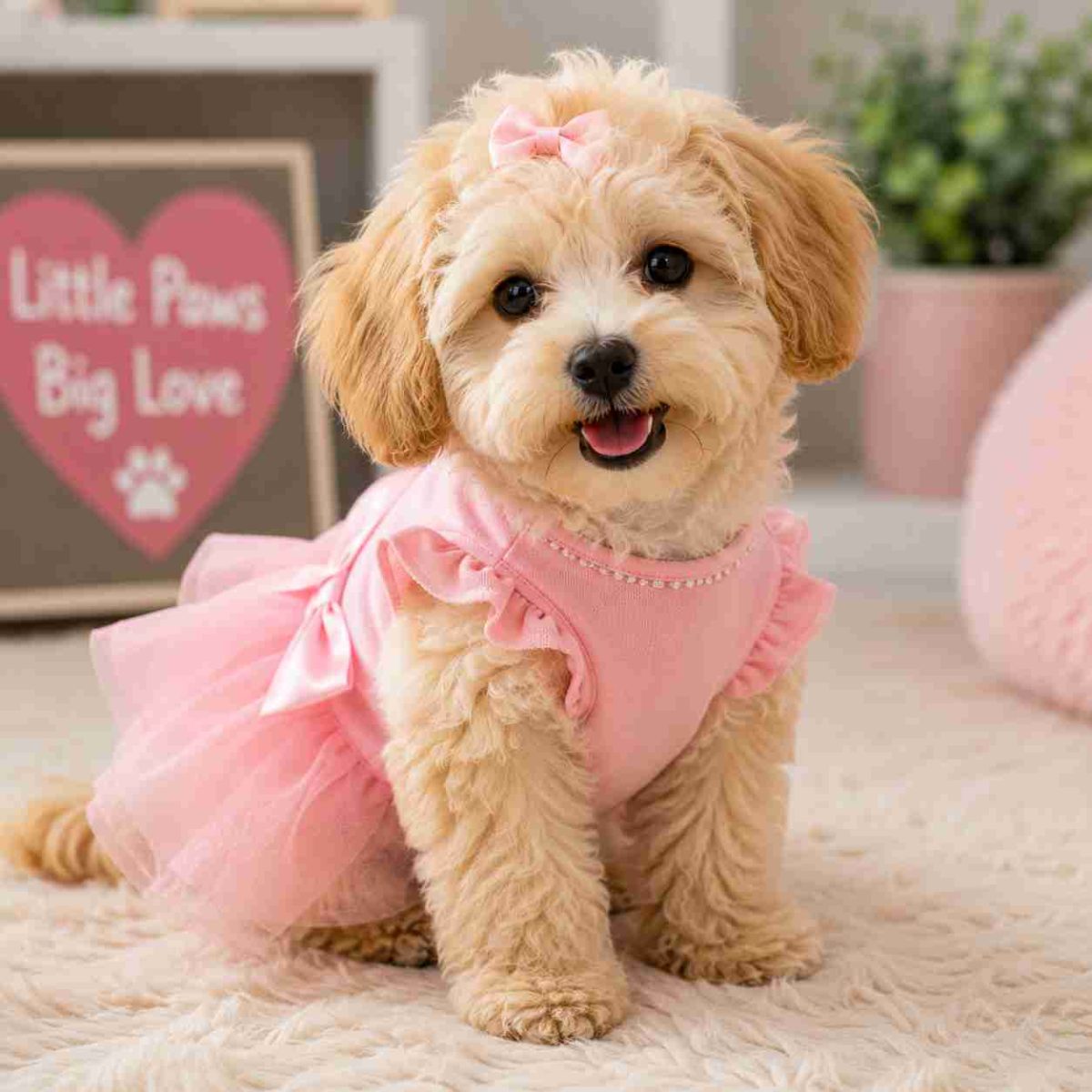
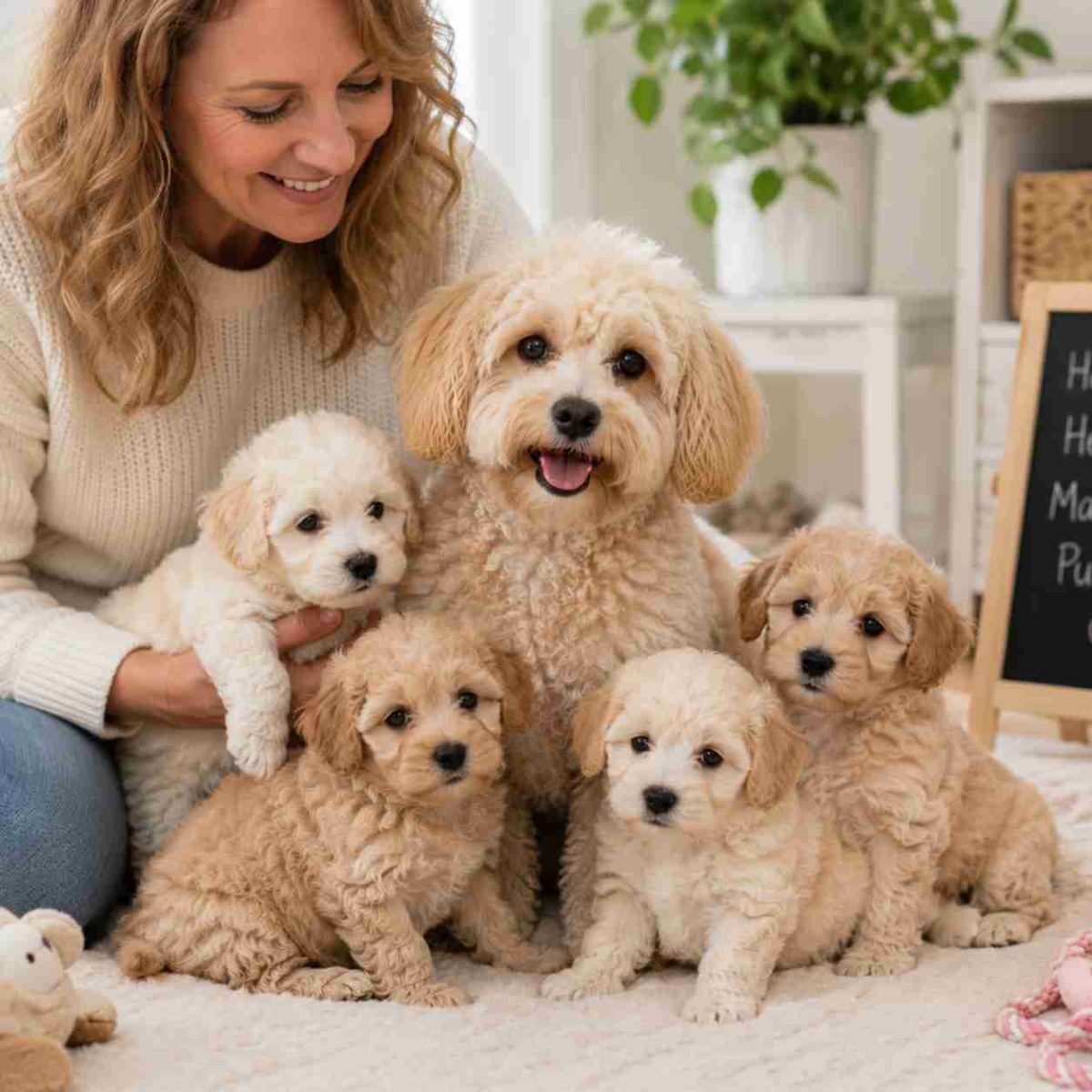

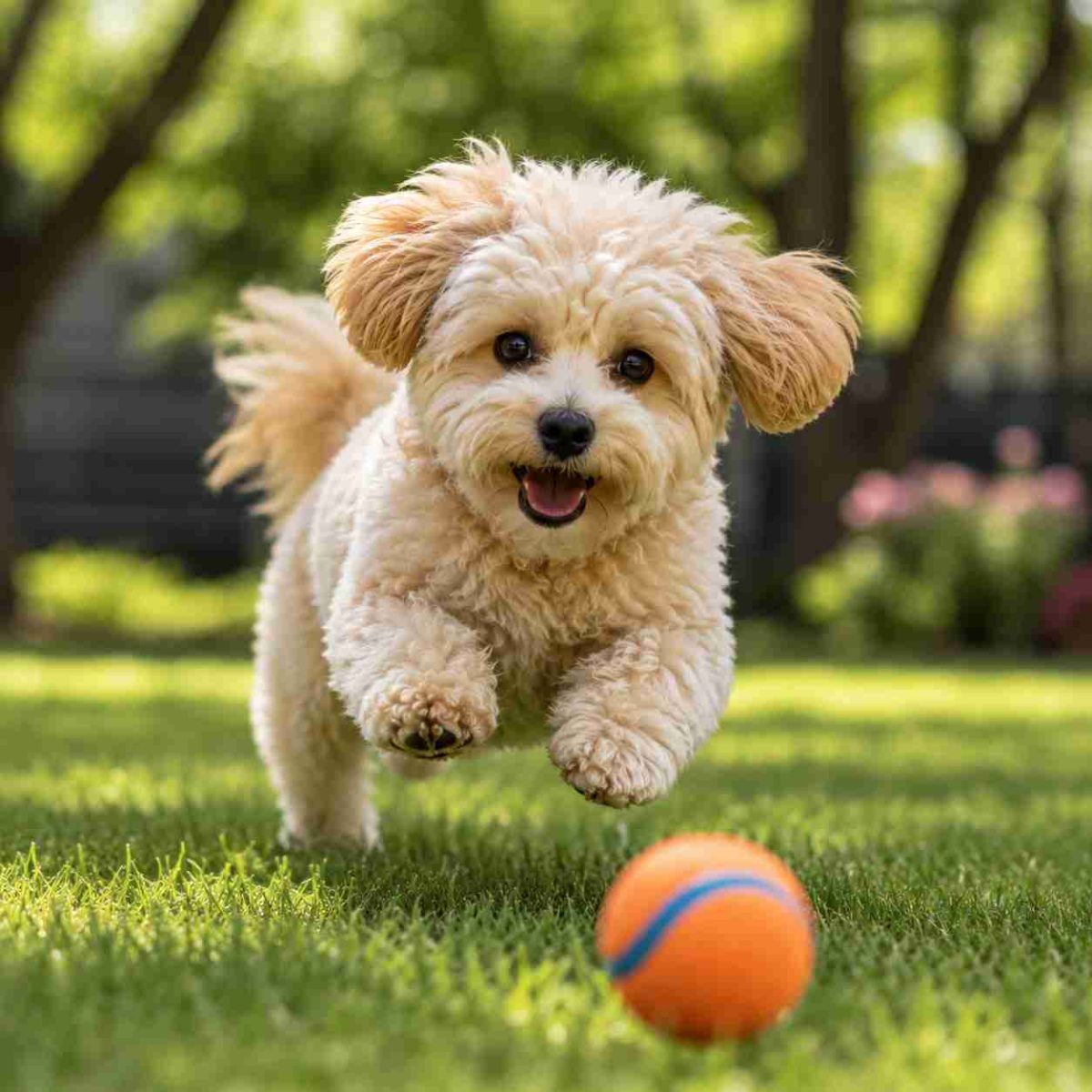
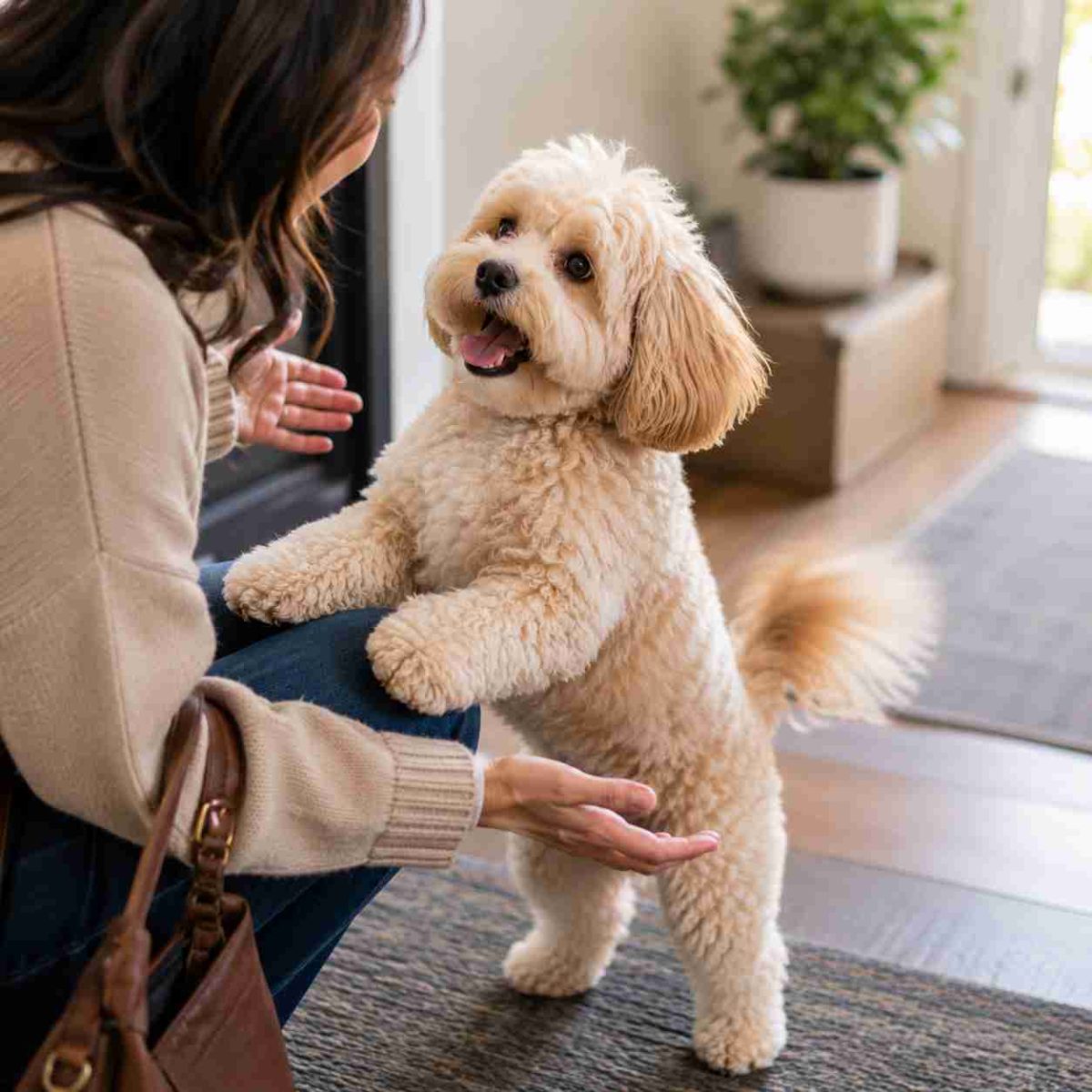
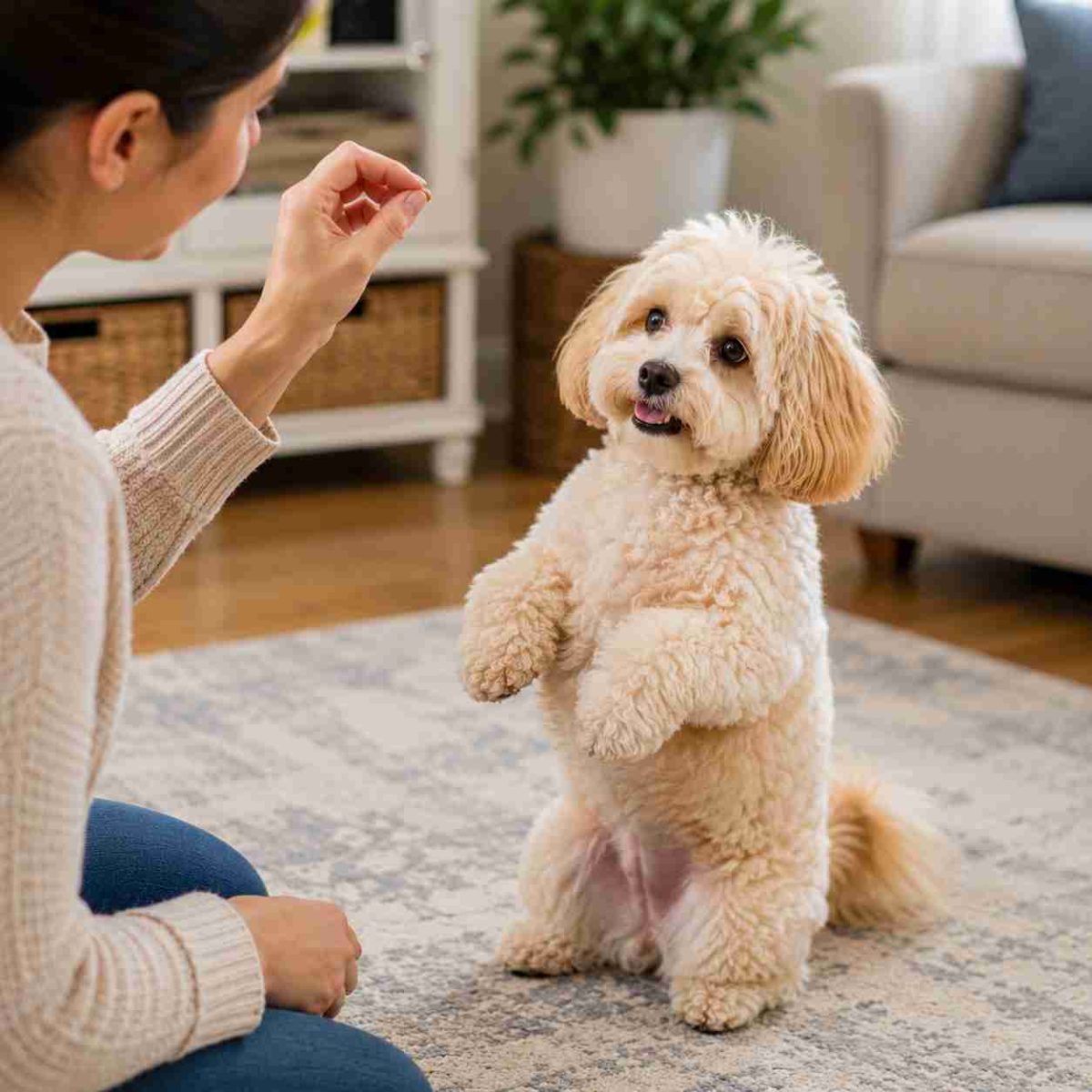
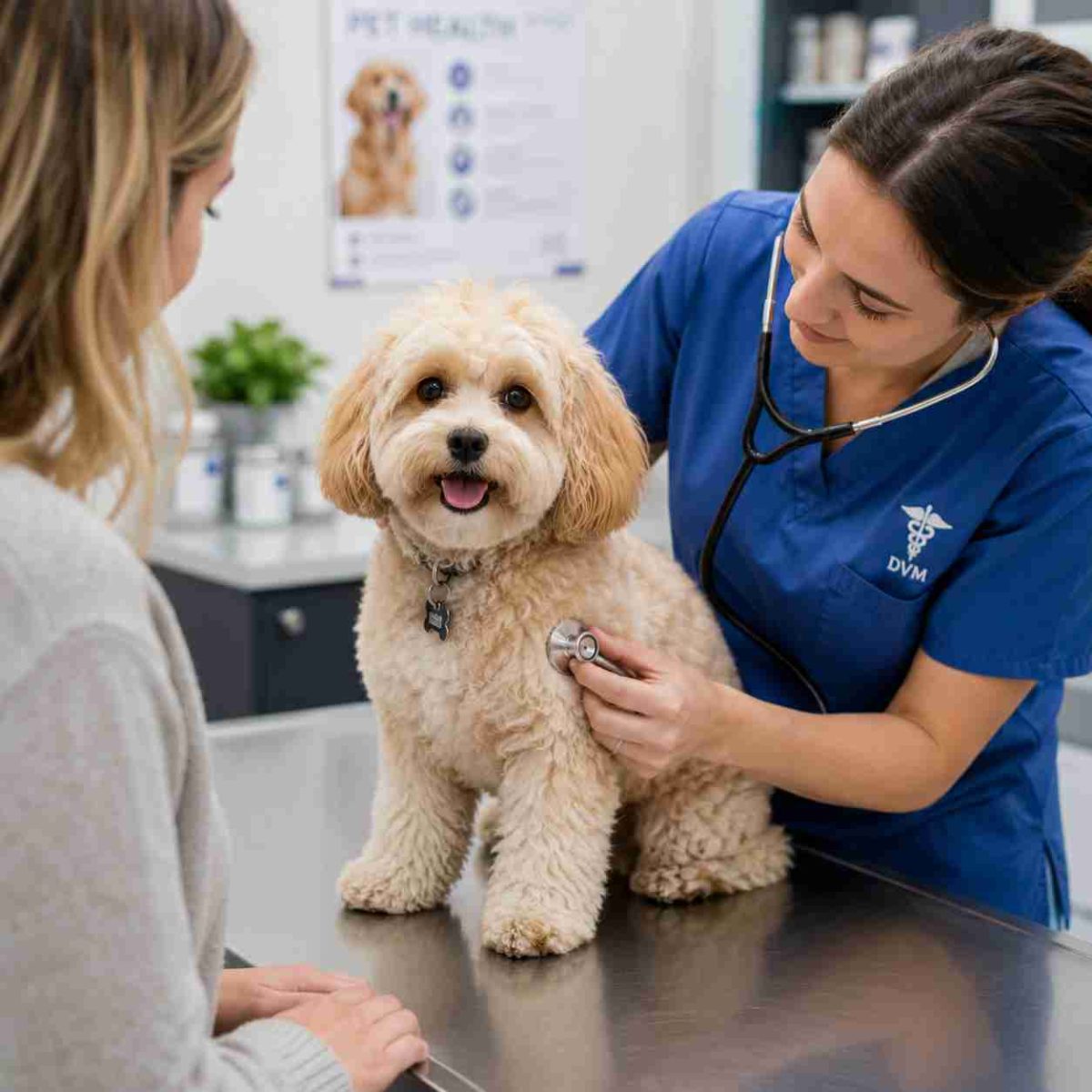
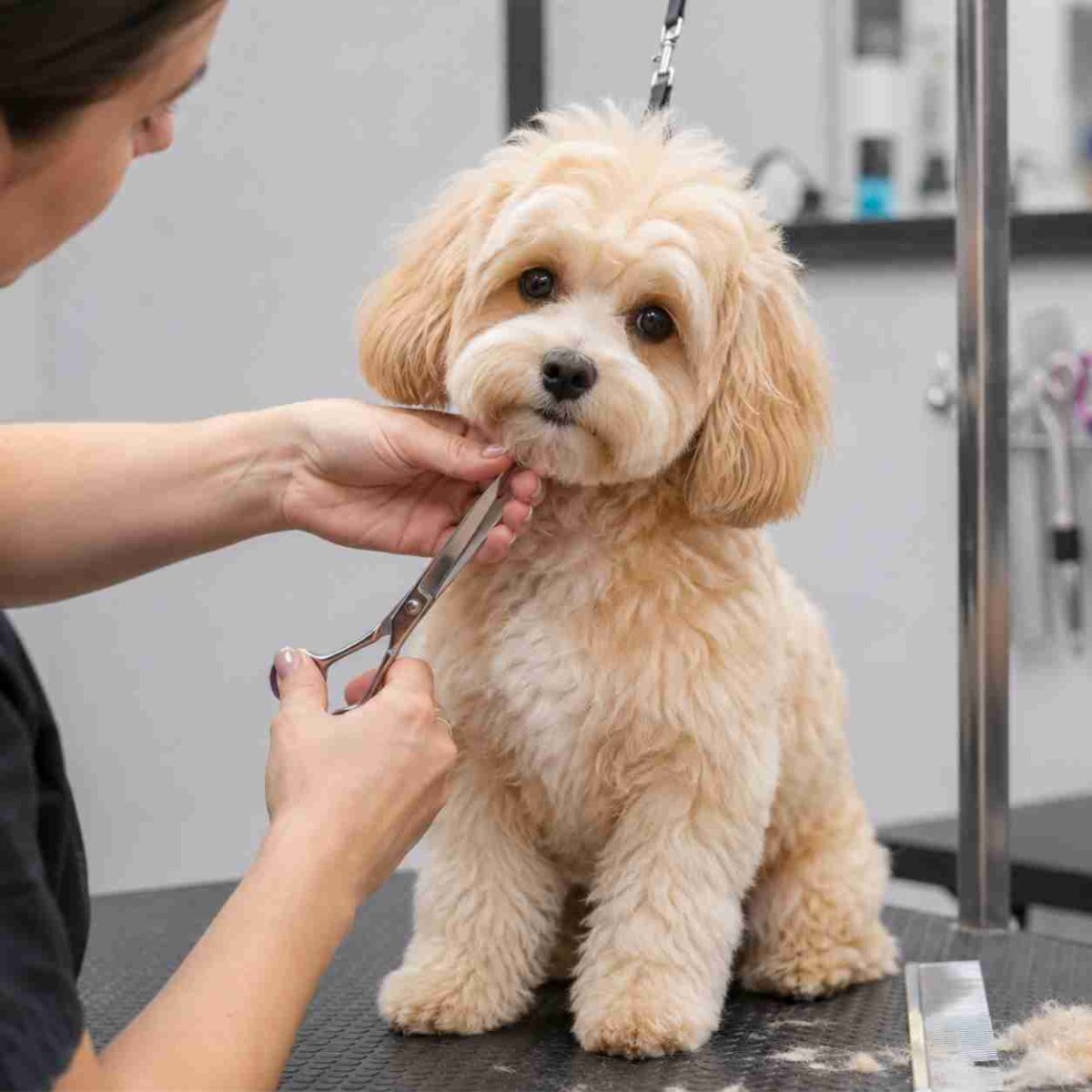
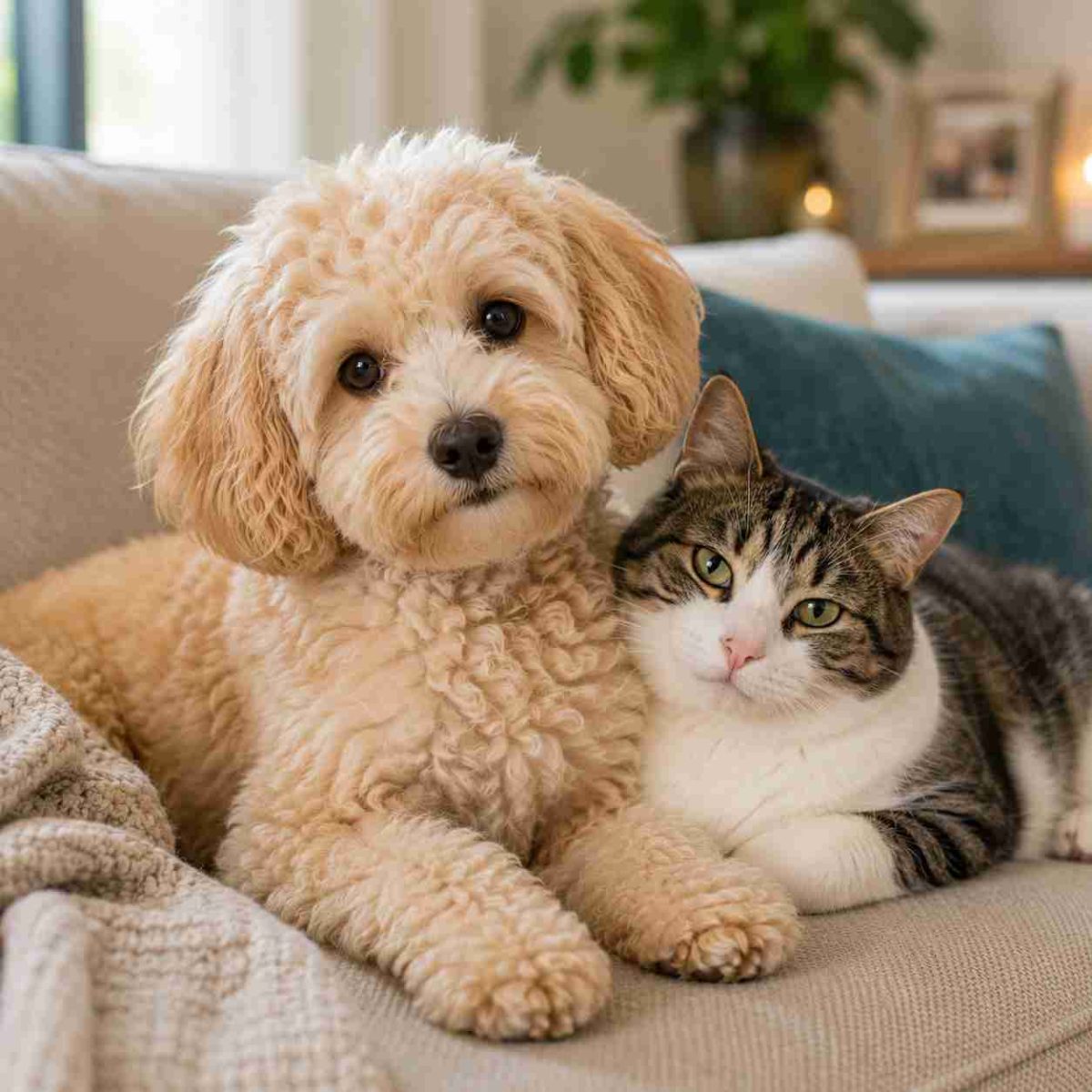
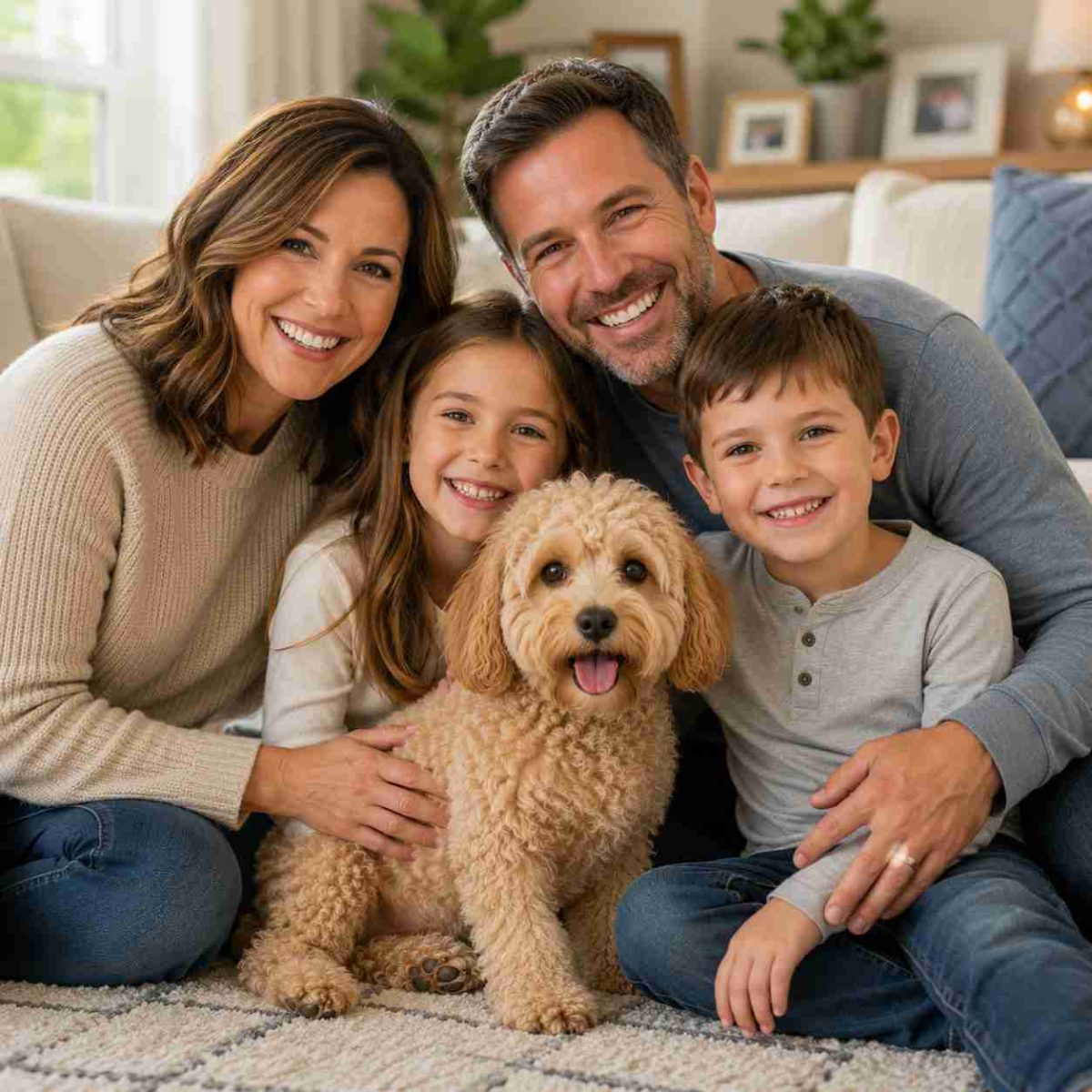
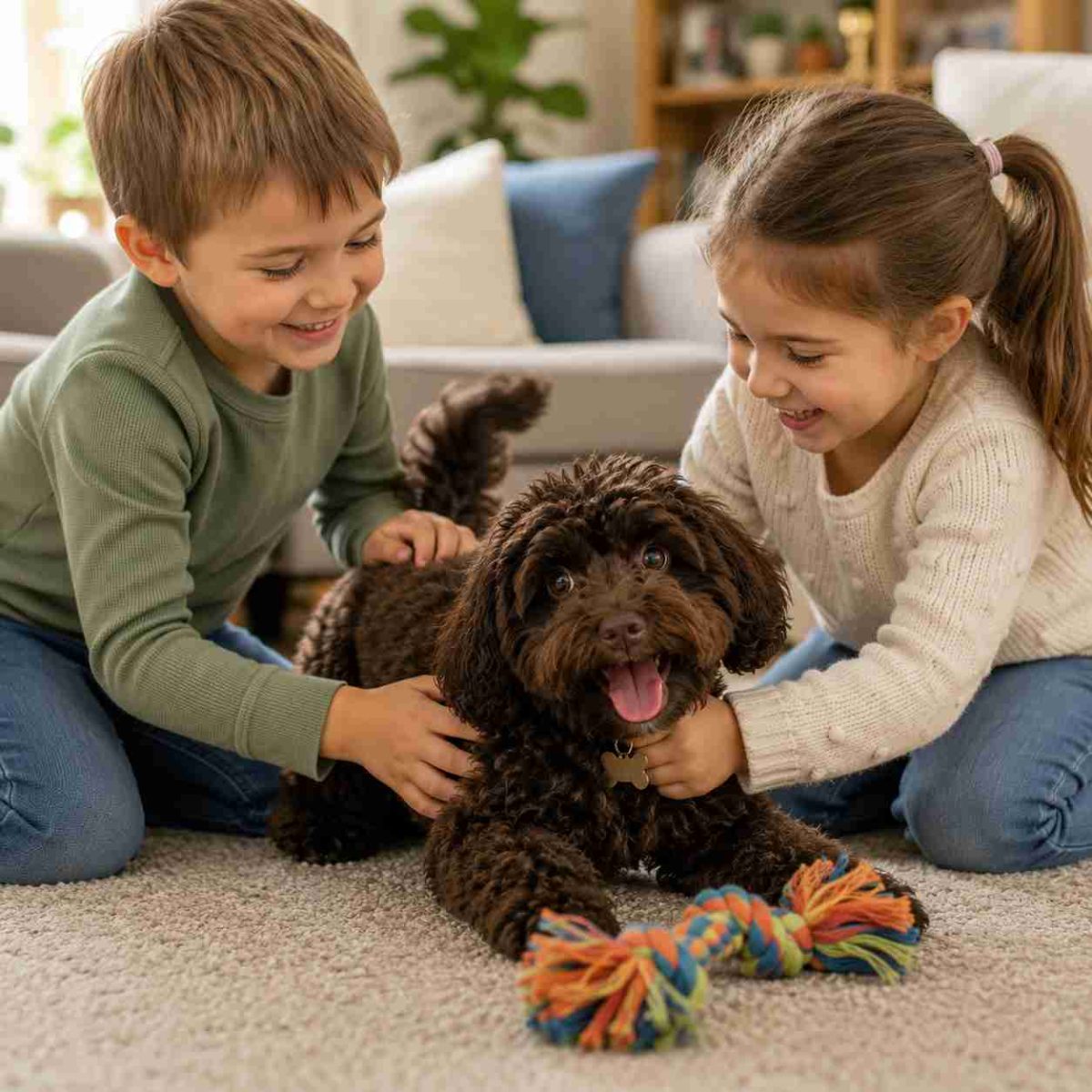
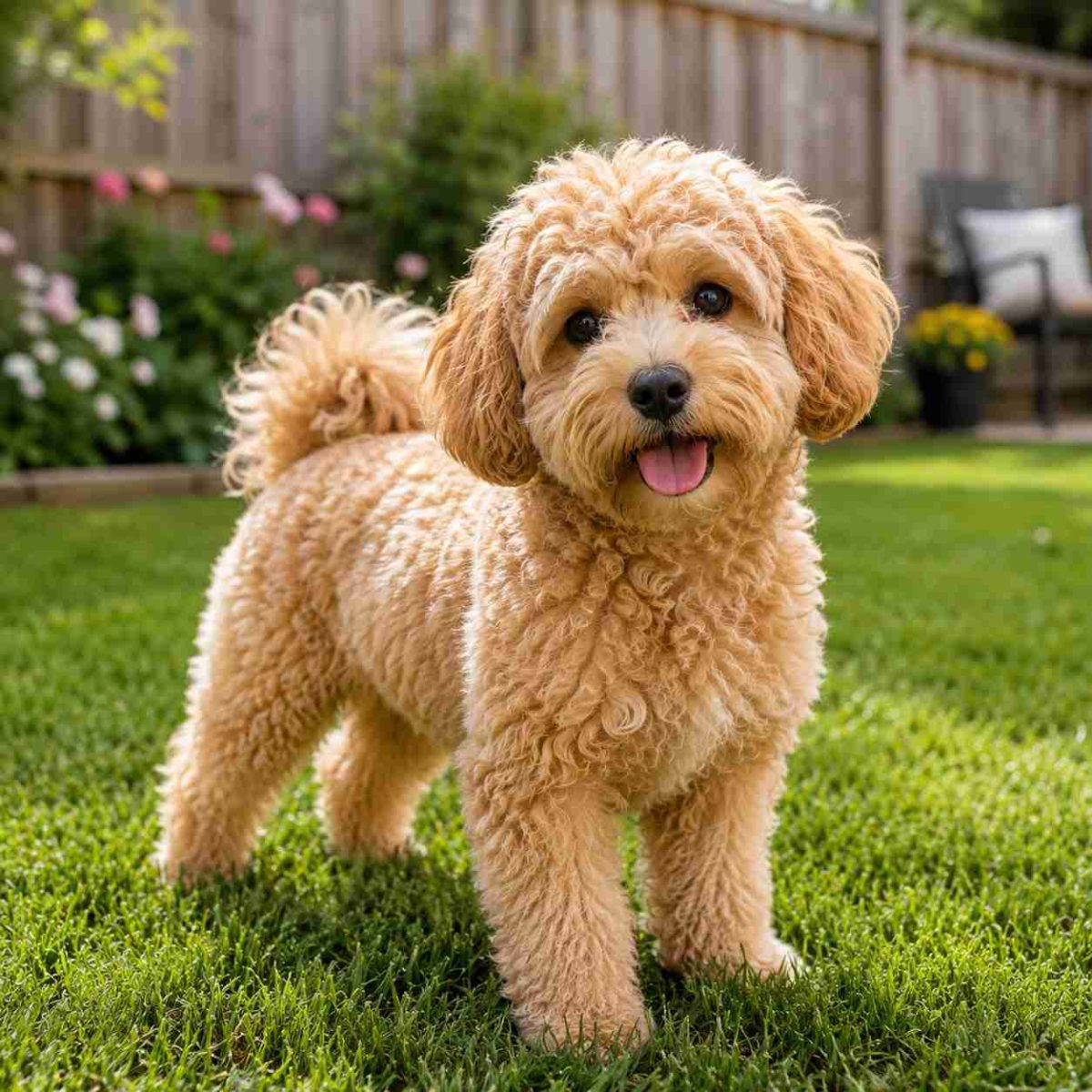
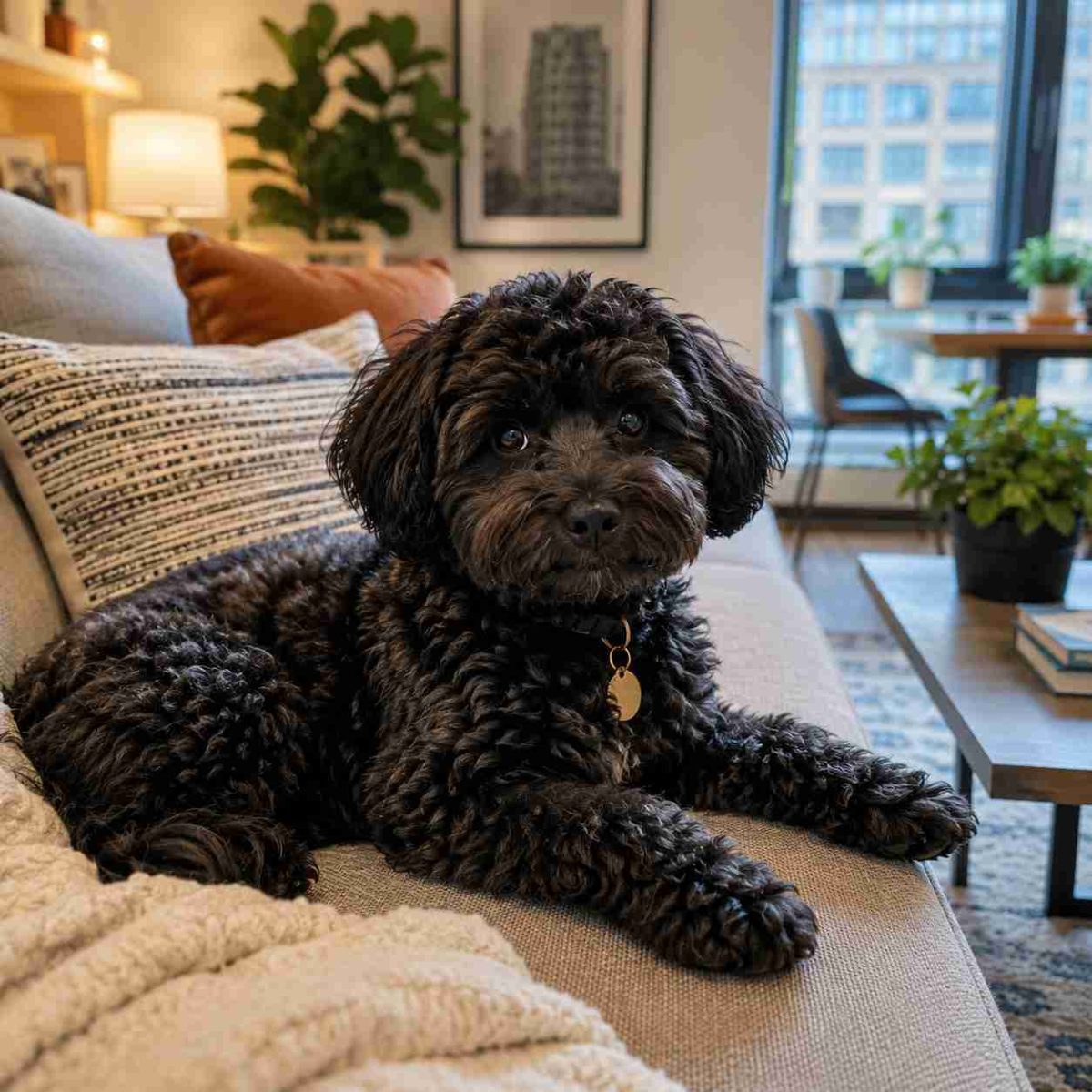
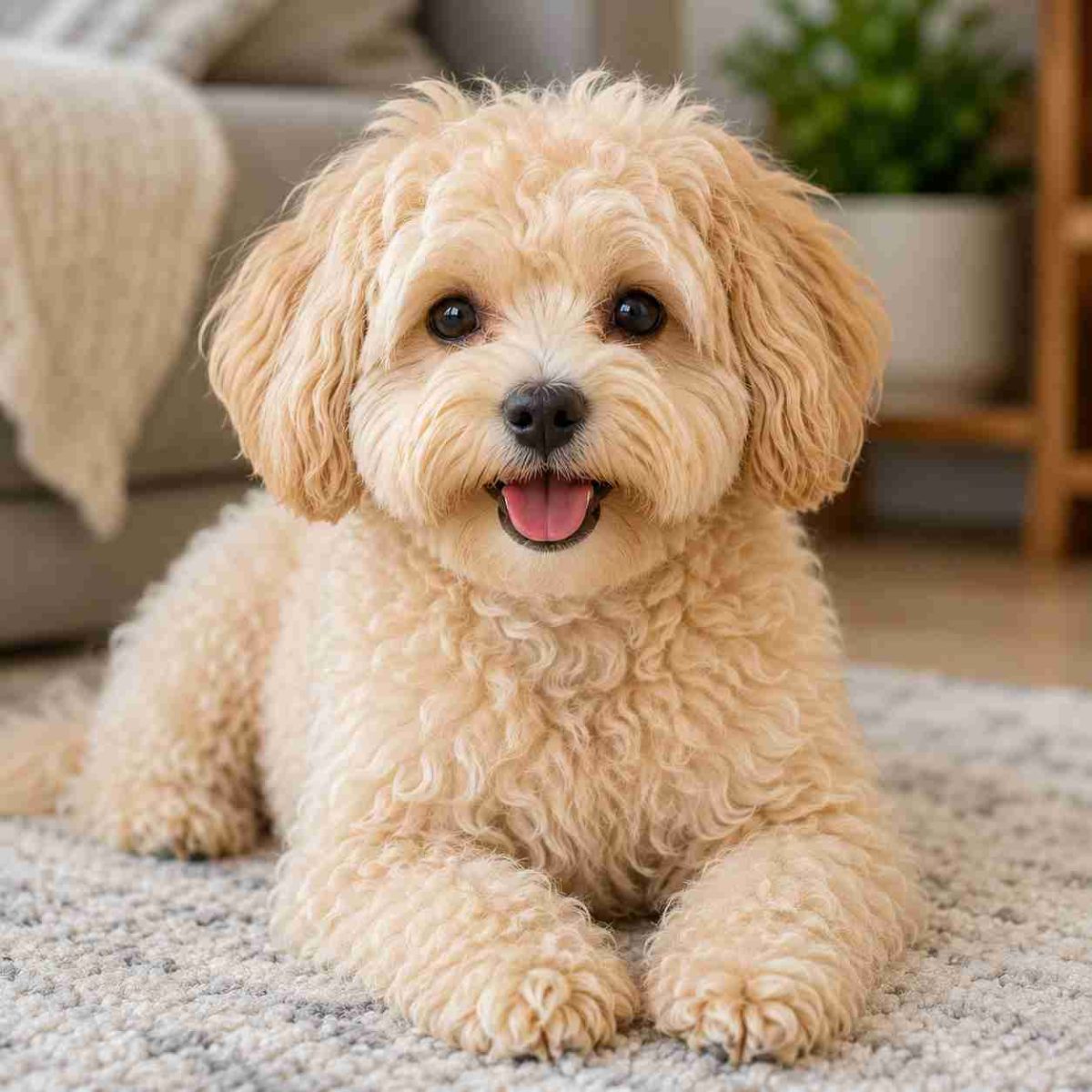
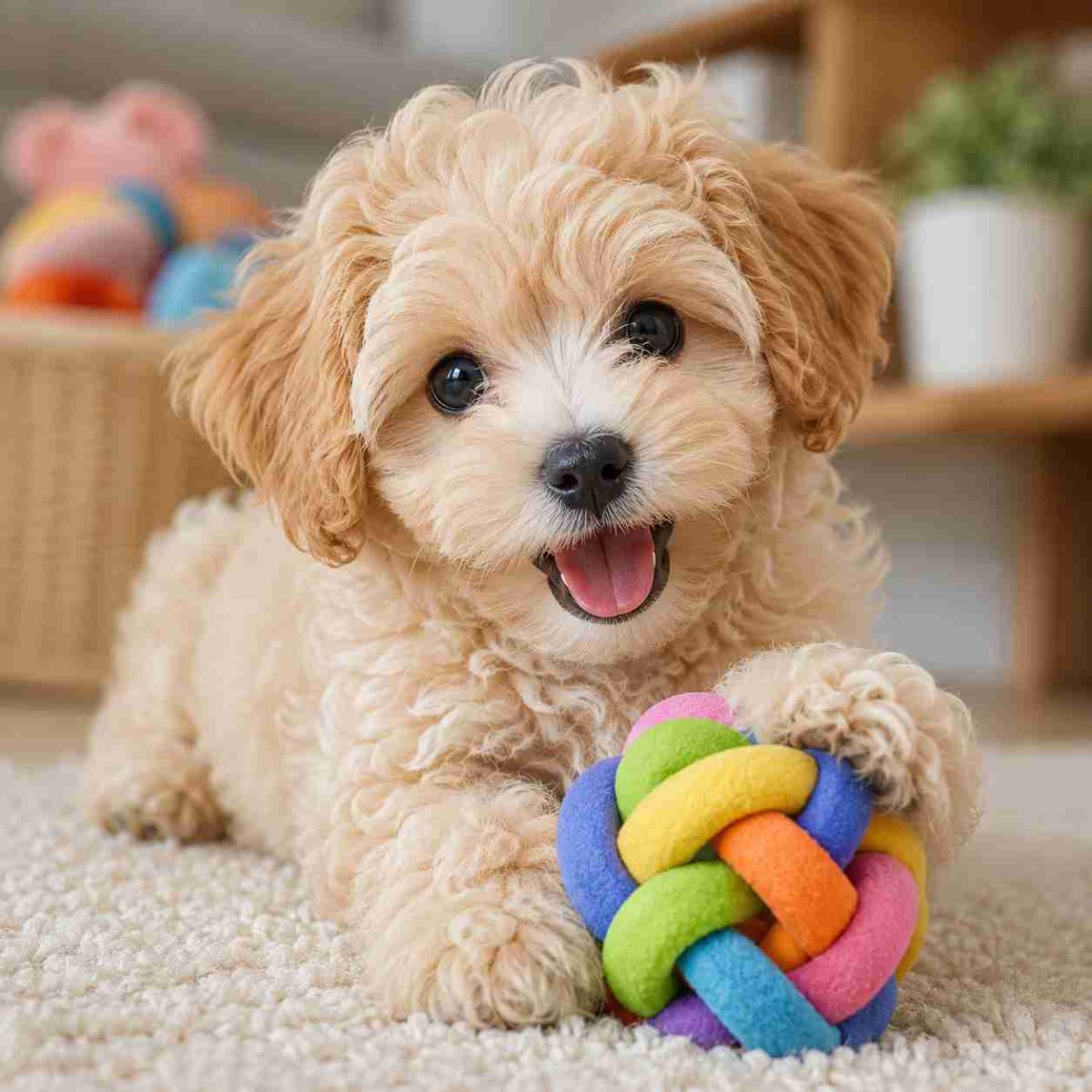
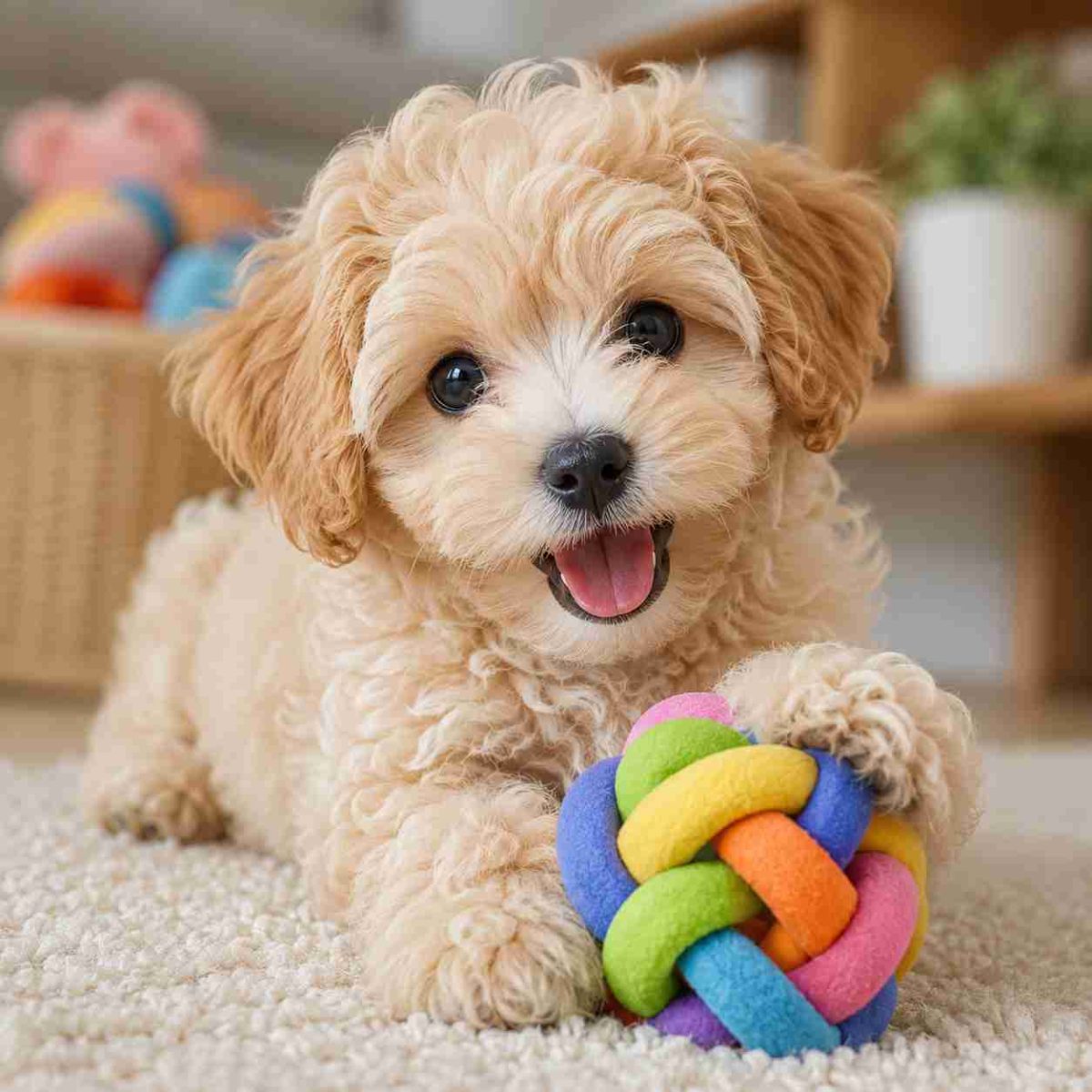

The gallery includes examples of:
- Maltipoo puppies
- Adult Maltipoos
- Families with Maltipoos
- Maltipoos with senior owners
- Apartment living
- Training sessions
- Professional grooming
- Daily walks
- Veterinary visits
- Playtime
- Sleeping and cuddling
- Mealtime
When choosing a Maltipoo puppy, don’t focus on appearance alone. Temperament, health testing, responsible breeding, and early socialization are far more important than coat colour or hairstyle. A confident, well-raised puppy is far more likely to grow into a happy, adaptable companion.
Maltipoo Personality & Temperament
 If the Maltipoo has a superpower, it’s making people smile. Cheerful, affectionate, and endlessly devoted, these little dogs have an incredible ability to form deep bonds with their families. They aren’t content to simply share your home—they want to be part of everything you do.
Whether you’re working from home, watching television, gardening, or heading out for a walk, your Maltipoo will likely be close by, eager to join the adventure. Their people-oriented nature makes them wonderful companions, but it also means they don’t enjoy spending long periods alone.
Affectionate and Family-Oriented
Maltipoos are true companion dogs. They thrive on human interaction and often develop especially strong attachments to one or two family members while remaining friendly with everyone they meet.
Most Maltipoos love cuddling on the couch just as much as they enjoy playing a game of fetch or learning a new trick. They’re happiest when they feel included in family activities rather than being left on their own.
Intelligent and Eager to Please
Thanks largely to their Poodle heritage, Maltipoos are highly intelligent dogs that learn quickly. They respond exceptionally well to positive reinforcement training using praise, treats, and play.
Because they’re eager to please, many owners are pleasantly surprised at how quickly their Maltipoo masters basic obedience, house training, and fun tricks. Mental stimulation is just as important as physical exercise for keeping these bright little dogs happy.
Playful Without Being Hyperactive
Maltipoos have a playful, youthful spirit that often stays with them throughout their lives. They enjoy interactive games, puzzle toys, short walks, and regular play sessions, but they’re generally less demanding than many other small breeds.
After a burst of activity, most Maltipoos are perfectly happy to curl up beside their favourite person for a well-earned nap.
 Social Butterflies
 Social Butterflies
Well-socialized Maltipoos usually greet new people with curiosity rather than suspicion. They generally get along well with children, other dogs, and even cats when introduced properly.
Early socialization is still essential. Exposing your puppy to a variety of people, places, sounds, and experiences helps build the confidence needed to become a calm, adaptable adult.
Do Maltipoos Bark a Lot?
Maltipoos aren’t usually excessive barkers, but they are alert and aware of their surroundings. Many will bark to announce visitors, unfamiliar noises, or exciting activity outside the window.
Fortunately, because they’re intelligent and eager to learn, nuisance barking can often be managed through consistent training and by ensuring your Maltipoo receives enough exercise, attention, and mental stimulation.
Can Maltipoos Be Left Alone?
One of the few challenges of owning a Maltipoo is their strong attachment to people. Many dislike being left alone for long periods and may develop separation anxiety if isolation becomes part of their daily routine.
If your work or lifestyle means you’ll be away from home for many hours each day, another breed may be a better fit. However, if someone is home most of the time—or your Maltipoo can accompany you on outings—they usually thrive.
Maltipoos flourish in homes where they’re treated as true members of the family. Plenty of companionship, gentle training, interactive play, and a predictable daily routine will help your Maltipoo become the confident, affectionate companion the breed is known for.
Understanding the Maltipoo
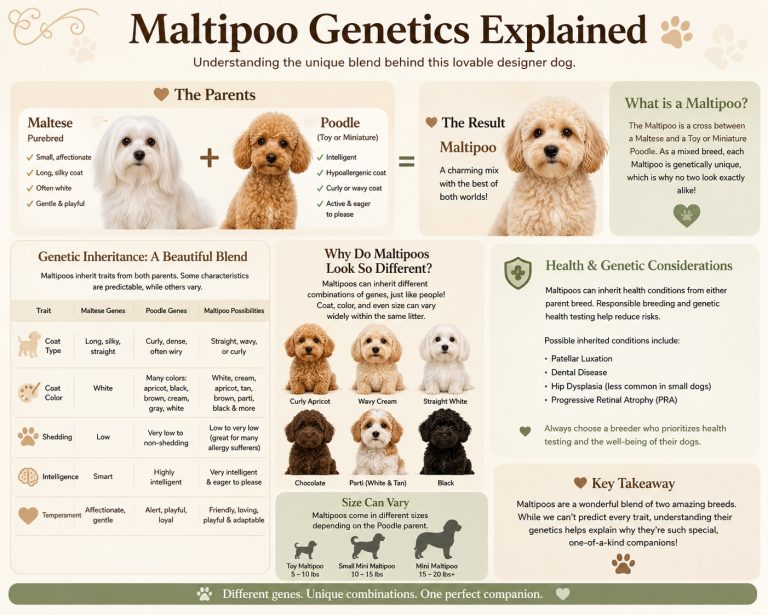
One of the most fascinating things about the Maltipoo is that no two are exactly alike. Even puppies from the same litter can differ in size, coat type, colour, energy level, and personality. That’s because the Maltipoo is a designer dog rather than a standardized purebred breed.
Understanding how designer dog genetics work can help you choose the right puppy, set realistic expectations, and appreciate why every Maltipoo is truly one of a kind.
What Is a Designer Dog?
A designer dog is the intentional cross between two purebred dogs. In the Maltipoo’s case, those breeds are the Maltese and either the Toy Poodle or Miniature Poodle.
The goal is to combine desirable characteristics from both parent breeds. For the Maltipoo, that typically means the loving, people-oriented personality of the Maltese together with the intelligence, athleticism, and low-shedding coat of the Poodle.
Unlike purebred dogs, however, designer breeds do not have a fixed breed standard. Every puppy inherits a unique combination of genes from its parents, which naturally creates variation.
What Do F1, F1B and Multigeneration Mean?
Responsible breeders often describe Maltipoos using terms that identify how many generations removed they are from the original cross.
- F1 Maltipoo — A first-generation cross between a purebred Maltese and a purebred Toy or Miniature Poodle.
- F1B Maltipoo — An F1 Maltipoo bred back to a Poodle. These dogs often have curlier coats and may shed even less than an F1.
- F2 Maltipoo — Produced by breeding two F1 Maltipoos together.
- Multigeneration Maltipoo — Produced by breeding Maltipoos from several previous generations, often with the goal of creating more consistency in size, coat, and temperament.
While these labels can give buyers a general idea of coat type or appearance, they don’t guarantee personality, health, or behaviour.
Why Do Maltipoos Look So Different?
Take a walk through a Maltipoo owners’ group and you’ll quickly notice how much the breed can vary.
Some have long, flowing, silky coats that closely resemble the Maltese. Others inherit the tight curls of the Poodle, while many have the soft, wavy “teddy bear” coat that has become so popular.
Adult size can also vary depending on whether a breeder used a Toy Poodle or a Miniature Poodle, as well as the size of the individual parents.
This variety is completely normal and one of the reasons so many people are drawn to the breed.
Are Maltipoos Hypoallergenic?
One of the biggest misconceptions surrounding the Maltipoo is that they’re completely hypoallergenic.
The truth is that no dog is truly hypoallergenic. People with allergies usually react to proteins found in a dog’s saliva, skin cells (dander), and urine—not simply the hair itself.
Because many Maltipoos shed very little, they may release fewer loose hairs and less dander into the home than heavy-shedding breeds. Some allergy sufferers find them easier to live with, while others may still experience allergic reactions.
If allergies are a concern, it’s always wise to spend time with adult Maltipoos before committing to bringing one home.
Health Depends on Responsible Breeding
There’s a common belief that mixed-breed dogs are automatically healthier than purebred dogs. While crossing two breeds can sometimes reduce the likelihood of certain inherited conditions, it doesn’t eliminate genetic disease.
Both the Maltese and the Poodle can pass on hereditary health issues, making responsible breeding and appropriate health testing just as important for Maltipoos as for any purebred dog.
Good breeders carefully screen their breeding dogs, raise puppies in a stimulating home environment, and place a strong emphasis on temperament as well as health.
Don’t choose a Maltipoo based solely on generation (F1, F1B, or multigeneration). Spend far more time evaluating the breeder’s reputation, health testing, puppy socialization program, and commitment to lifelong support. Those factors will have a much greater impact on your future companion than the generation listed on the pedigree.
Maltipoo Size
One of the Maltipoo’s biggest attractions is its compact size. Small enough to fit comfortably into an apartment yet sturdy enough to enjoy an active lifestyle, the Maltipoo strikes an excellent balance between portability and playfulness.
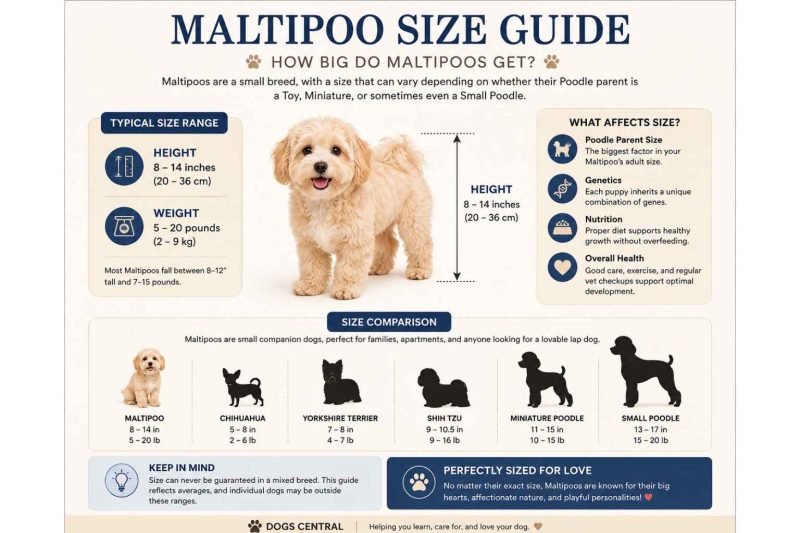
Because Maltipoos are a cross between a Maltese and either a Toy or Miniature Poodle, there is no single “correct” adult size. A puppy’s mature height and weight depend largely on the size of its parents, along with its own unique genetic inheritance.
Average Height
Most adult Maltipoos stand between 8 and 14 inches (20 to 36 cm) tall at the shoulder.
Maltipoos bred from Toy Poodles generally fall toward the smaller end of the range, while those with Miniature Poodle parents are often a little taller and sturdier.
Average Weight
Most healthy adult Maltipoos weigh between 5 and 20 pounds (2 to 9 kg).
The majority fall comfortably in the 8 to 15 pound (3.5 to 7 kg) range, making them easy to carry when necessary while still being robust enough for daily walks, travel, and family adventures.
When Do Maltipoos Stop Growing?
Maltipoos grow rapidly during their first few months of life. Most reach their full height by around 9 to 12 months of age, although some continue filling out and developing muscle until they’re approximately 12 to 18 months old.
Providing balanced nutrition, regular exercise, and routine veterinary care during this important growth period helps puppies develop into healthy adults.
Is a Bigger Maltipoo Better?
Not necessarily. Smaller Maltipoos are wonderfully portable and ideal for apartment living, while slightly larger individuals may be a little more durable around respectful children and often enjoy longer walks and more vigorous play.
Rather than focusing solely on size, it’s far more important to choose a healthy puppy with a confident temperament that suits your lifestyle.
Does Size Affect Personality?
Although every dog is an individual, personality is influenced much more by genetics, early socialization, and training than by size alone.
Whether your Maltipoo finishes at six pounds or sixteen pounds, you can generally expect a friendly, affectionate companion that enjoys spending time with its family and participating in everyday activities.
Be cautious of advertisements promoting “teacup” Maltipoos. Extremely small dogs can face increased health risks, including fragile bones, dental problems, low blood sugar, and other medical complications. Choosing a puppy from health-tested parents with a naturally healthy size is usually the best long-term decision.
Maltipoo Coat Colors & Types
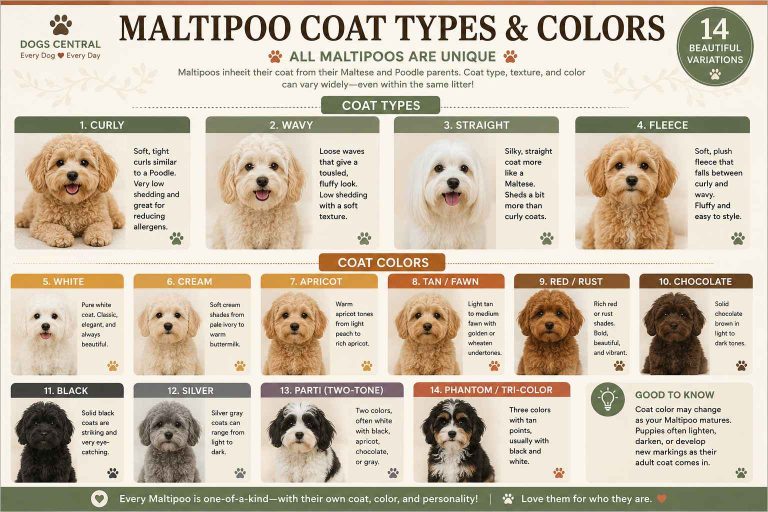
The Maltipoo’s beautiful coat is one of the breed’s most distinctive features. Soft, fluffy, and often described as “teddy bear-like,” the coat contributes greatly to the Maltipoo’s irresistible charm. However, because the breed is a cross between the Maltese and the Toy or Miniature Poodle, there’s tremendous variety in coat texture, colour, and appearance.
Some Maltipoos inherit the silky, straight coat of the Maltese, while others develop the tighter curls of the Poodle. Many fall somewhere in between, sporting the soft, wavy coat that has become the hallmark of the breed.
Common Coat Types
Straight Coat
Straight-coated Maltipoos tend to resemble the Maltese more closely. Their coats are silky and flowing but require frequent brushing to prevent tangles and mats.
Wavy Coat
The wavy coat is perhaps the most sought-after Maltipoo coat type. It combines the softness of the Maltese with the gentle texture of the Poodle, creating the classic teddy bear appearance that many families love.
Curly Coat
Maltipoos that inherit more Poodle genetics often develop tighter curls. These coats usually shed very little but require regular brushing and professional grooming to prevent painful matting.
Common Maltipoo Colors
Maltipoos come in an impressive range of beautiful colours. Some remain the same shade throughout their lives, while others gradually lighten as they mature—a trait commonly inherited from the Poodle.
- White
- Cream
- Apricot
- Red
- Champagne
- Buff
- Silver
- Gray
- Black
- Chocolate
- Café au Lait
- Parti-colour (two-coloured)
- Phantom (distinct tan markings)
Some puppies are born with rich, vibrant colours that fade over the first few years of life, particularly apricot, red, chocolate, and black coats. This gradual colour change is perfectly normal and should be expected in many Maltipoos.
Do Maltipoos Shed?
Maltipoos are generally considered a low-shedding breed, making them a popular choice for owners who prefer a cleaner home or who have mild dog allergies. However, “low shedding” doesn’t mean “no maintenance.”
Loose hairs often become trapped within the coat rather than falling onto your furniture and clothing. Without regular brushing, those loose hairs can quickly become tangled, leading to uncomfortable mats close to the skin.
Keeping the Coat Healthy
A healthy Maltipoo coat depends on much more than genetics. Regular brushing, routine bathing, professional grooming, good nutrition, and overall health all contribute to a soft, healthy coat that stays free of tangles.
Many owners choose to keep their Maltipoo in an easy-care “puppy cut,” while others prefer a longer, fluffier appearance that requires more frequent maintenance.
Choose the haircut that best suits your lifestyle—not just the one that looks cutest. A shorter puppy cut is much easier to maintain, especially for busy families and first-time owners, while longer coats require considerably more brushing and professional grooming.
Maltipoo Grooming
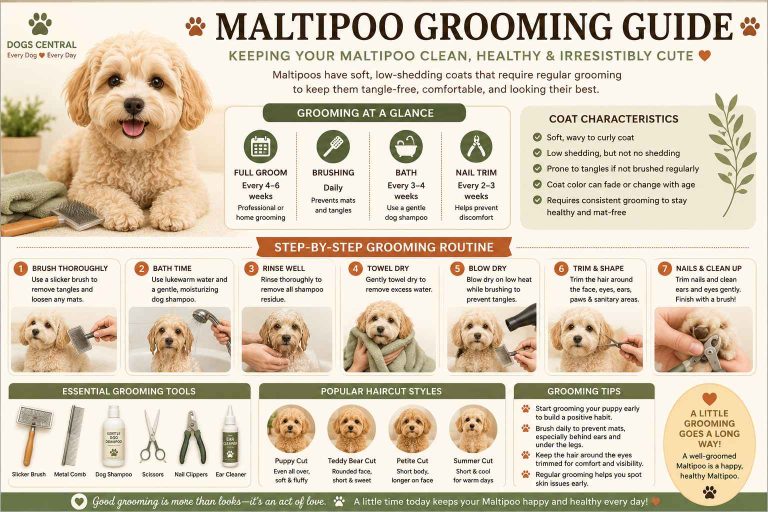
While the Maltipoo’s soft, fluffy coat is one of its greatest attractions, it’s also one of its biggest responsibilities. Unlike many breeds that simply shed their coats, Maltipoos require regular brushing and professional grooming to keep them looking and feeling their best.
The good news is that grooming can become an enjoyable bonding experience when introduced early and approached with patience. Puppies that learn to enjoy brushing, bathing, nail trims, and handling are much more relaxed during grooming throughout their lives.
Brushing
Most Maltipoos should be brushed at least three to four times each week, while those with curlier or longer coats often benefit from daily brushing.
Pay particular attention to areas where mats commonly develop, including:
- Behind the ears
- Under the collar or harness
- Under the front legs
- The chest
- The belly
- The legs
- The tail
Regular brushing removes loose hair, distributes natural skin oils, prevents painful mats, and allows you to check for skin problems, parasites, or unusual lumps.
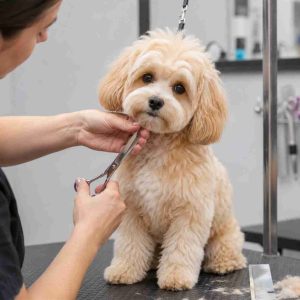
Professional Grooming
Most Maltipoos visit a professional groomer every 6 to 8 weeks, although some owners with shorter puppy cuts may stretch appointments slightly longer.
A professional grooming session typically includes:
- Bathing and drying
- Hair trimming and styling
- Nail trimming
- Ear cleaning
- Sanitary trimming
- Checking for skin or coat issues
Bathing
Most Maltipoos only need bathing every 3 to 6 weeks, unless they become especially dirty.
Use a gentle dog shampoo followed by a quality conditioner to help maintain moisture and reduce tangles. Human shampoos should never be used because they can disrupt the natural balance of a dog’s skin.
Ear Care
Maltipoos may inherit the Poodle’s tendency to grow hair inside the ear canals, making routine ear checks especially important.
Inspect the ears weekly for redness, unpleasant odour, excessive wax, or signs of infection. Your veterinarian or groomer can recommend the safest cleaning routine for your individual dog.
Dental Care
Like many small breeds, Maltipoos are prone to dental disease if their teeth aren’t cared for properly.
Daily tooth brushing is ideal, although brushing several times each week is still beneficial. Dental chews, veterinary dental diets, and regular professional cleanings can also help maintain healthy teeth and gums.
Nail Care
Nails should generally be trimmed every 3 to 4 weeks. If you can hear your Maltipoo’s nails clicking on hard floors, they’re probably ready for a trim.
Regular nail care helps maintain proper posture and reduces stress on the feet and joints.
Eye Care
Many light-coloured Maltipoos develop tear staining beneath their eyes. Although often cosmetic, excessive tearing can sometimes indicate allergies, irritation, or blocked tear ducts.
Gently wiping the area each day with a soft, damp cloth helps keep the face clean and comfortable. If tearing suddenly increases or the eyes become red or painful, consult your veterinarian.
Begin grooming routines while your Maltipoo is still a puppy. Short, positive sessions with plenty of praise and treats will help your dog view brushing, bathing, and nail trims as normal parts of life rather than something to fear.
Maltipoo Exercise & Activity
 Although Maltipoos are small dogs, they still need regular exercise and mental stimulation to stay healthy, happy, and well-behaved. Fortunately, they don’t require hours of vigorous activity each day. For most Maltipoos, a combination of daily walks, interactive play, and training sessions provides all the exercise they need.
Think of the Maltipoo as an enthusiastic companion rather than an endurance athlete. They enjoy being active with their families but are equally content to relax at home once their exercise needs have been met.
How Much Exercise Does a Maltipoo Need?
Most healthy adult Maltipoos benefit from 30 to 60 minutes of activity each day. This doesn’t need to happen all at once and can easily be divided into two or three shorter sessions.
A typical day’s exercise might include:
- A morning walk around the neighbourhood
- A short game of fetch or tug indoors
- An afternoon play session in a securely fenced yard
- An evening stroll before bedtime
Puppies should have shorter, gentler play sessions with plenty of opportunities to rest, while senior Maltipoos often appreciate slower walks tailored to their comfort level.
Mental Exercise Is Just as Important
Thanks to their Poodle heritage, Maltipoos are intelligent dogs that enjoy learning. Without enough mental stimulation, they may become bored and develop unwanted behaviours such as excessive barking, chewing, or attention-seeking.
Keep your Maltipoo’s mind busy with activities like:
- Puzzle toys
- Treat-dispensing toys
- Basic obedience training
- Learning new tricks
- Hide-and-seek games
- Scent games using treats or favourite toys
Just 10 to 15 minutes of training each day can provide valuable mental exercise while strengthening the bond between you and your dog.
Do Maltipoos Enjoy Walks?
Absolutely. Most Maltipoos love exploring new sights, sounds, and smells. Daily walks provide valuable physical exercise while exposing your dog to new environments and helping maintain good social skills.
Because they’re a small breed, avoid long walks during extreme heat or very cold weather. In hot conditions, walk early in the morning or later in the evening when temperatures are cooler.
Indoor Play Counts Too
One advantage of owning a Maltipoo is that they can burn off plenty of energy indoors. Games of fetch down a hallway, gentle tug-of-war, or chasing a favourite toy around the living room are excellent ways to provide exercise on rainy or snowy days.
This adaptability is one of the reasons Maltipoos make such wonderful apartment dogs.
Signs Your Maltipoo Needs More Activity
If your Maltipoo isn’t getting enough exercise or mental stimulation, you may notice behaviours such as:
- Excessive barking
- Chewing household items
- Restlessness
- Attention-seeking behaviour
- Zoomies throughout the house
- Difficulty settling down
Often, adding another short walk, a training session, or a puzzle toy is enough to satisfy their active minds.
Avoid Overdoing It
While Maltipoos enjoy staying active, they aren’t built for marathon hikes or strenuous endurance sports. Young puppies, senior dogs, and dogs with health concerns should always exercise at a pace that’s appropriate for their age and physical condition.
Watch for signs of fatigue, especially during warm weather, and always provide fresh drinking water during and after exercise.
A tired Maltipoo isn’t just physically exercised—it’s mentally satisfied as well. Combining walks with training games, puzzle toys, and interactive play is one of the best ways to raise a calm, confident, and well-behaved companion.
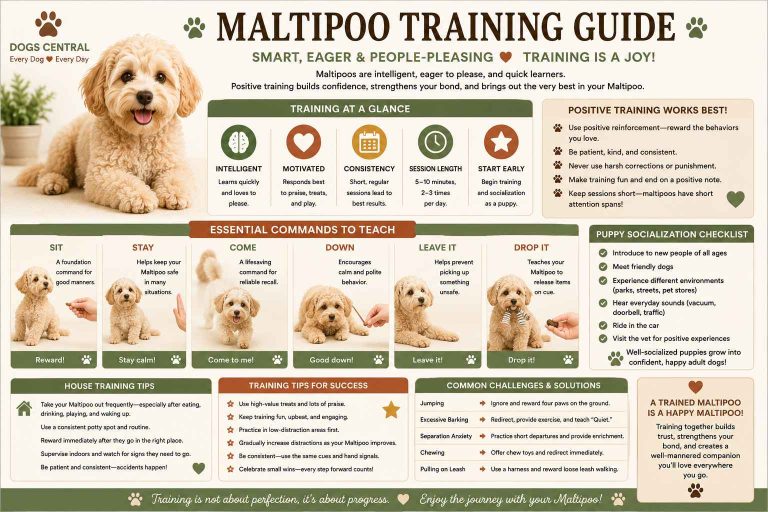
Maltipoo Training
 Maltipoos are among the easiest small dog breeds to train. Thanks to their Poodle intelligence and the Maltese’s eagerness to please, they learn quickly and genuinely enjoy working with their people. The key to success is keeping training fun, positive, and consistent.
Like all dogs, Maltipoos respond best to reward-based training using praise, treats, toys, and affection. Harsh corrections or punishment can damage their confidence and may lead to fear or anxiety, making training much more difficult.
Start Training Early
The best time to begin training is the day your puppy comes home. Young puppies are constantly learning, whether we intend to teach them or not. Establishing good habits early is much easier than correcting unwanted behaviours later.
Focus on simple lessons such as:
- Responding to their name
- Coming when called
- Sitting politely for attention
- Walking calmly on a leash
- Learning household routines
- Being comfortable with handling and grooming
Keep training sessions short—five to ten minutes at a time is usually enough for young puppies.
House Training
House training can require a little extra patience with some Maltipoos simply because of their small size and tiny bladders. Frequent trips outdoors, especially after eating, drinking, playing, waking up, and before bedtime, will greatly improve success.
Consistency is essential. Take your puppy to the same potty area each time, reward successful bathroom trips immediately, and establish a predictable daily routine.
Accidents should be cleaned thoroughly without punishment. They’re simply part of the learning process.
Socialization
One of the most valuable gifts you can give your Maltipoo is early socialization. Carefully introducing your puppy to a wide variety of people, friendly dogs, environments, sounds, and experiences helps build confidence and reduces the likelihood of fear-based behaviours later in life.
Positive experiences during puppyhood often lead to calm, adaptable adult dogs that are comfortable in many different situations.
Teaching Good Manners
Because Maltipoos are so adorable, it’s tempting to overlook behaviours that wouldn’t be acceptable in a larger dog. Jumping up, demanding attention, barking for treats, or pulling on the leash may seem harmless when your dog weighs only ten pounds, but these habits can become frustrating over time.
Teaching polite manners from the beginning helps your Maltipoo become a welcome companion wherever you go.
Common Training Challenges
Although Maltipoos are generally eager learners, they can sometimes present a few challenges, including:
- Separation anxiety if left alone too often
- Demand barking for attention
- House-training setbacks during puppyhood
- Becoming overly attached to one family member
Fortunately, most of these issues can be prevented or minimized through consistent routines, positive reinforcement, adequate exercise, and early socialization.
Can Maltipoos Learn Tricks?
Absolutely! Maltipoos often excel at learning tricks because they enjoy both mental stimulation and spending time with their owners. Many quickly master behaviours such as:
- Shake hands
- Roll over
- Spin
- Fetch
- High five
- Retrieve specific toys by name
Teaching tricks isn’t just entertaining—it provides valuable mental exercise and strengthens the relationship between you and your dog.
Train your Maltipoo every day, even if it’s only for five or ten minutes. Short, enjoyable sessions are far more effective than occasional long ones, and they help build a confident dog that looks to you for guidance throughout its life.

Maltipoo Nutrition
 Good nutrition is one of the most important investments you can make in your Maltipoo’s long-term health. A balanced, high-quality diet supports healthy growth, maintains a beautiful coat, strengthens the immune system, and provides the energy these lively little dogs need for everyday life.
Because Maltipoos are a small breed with relatively fast metabolisms, they generally do best on foods specifically formulated for small or toy breed dogs. These diets contain appropriately sized kibble and the right balance of nutrients for smaller mouths and bodies.
Click the infographic below to view it full size.
[IMAGE – Maltipoo Nutrition Infographic]Feeding a Maltipoo Puppy
Maltipoo puppies grow rapidly during their first year and require a nutrient-rich puppy food designed for small breeds. Frequent meals help support healthy development while reducing the risk of low blood sugar (hypoglycemia), a condition that can affect very small puppies.
Most puppies should be fed:
- 8–12 weeks: 4 small meals per day
- 3–6 months: 3 meals per day
- 6–12 months: 2–3 meals per day
Your veterinarian can help determine the ideal feeding schedule based on your puppy’s size, growth rate, and activity level.
Feeding an Adult Maltipoo
Most healthy adult Maltipoos do well with two measured meals each day. Feeding on a regular schedule helps maintain healthy energy levels and makes it easier to monitor appetite and weight.
Portion sizes vary depending on your dog’s age, metabolism, activity level, and the calorie content of the food. Always use the feeding guide as a starting point and adjust as needed to maintain a healthy body condition.
Healthy Treats
Treats are a valuable training tool, but they should be offered in moderation. As a general guideline, treats should make up no more than 10% of your dog’s daily calorie intake.
Healthy options include:
- Small pieces of cooked chicken
- Freeze-dried meat treats
- Tiny pieces of carrot or cucumber
- Commercial training treats made for small dogs
Remember to reduce meal portions slightly if your Maltipoo receives lots of treats during training.
Foods to Avoid
Some everyday foods can be dangerous—even life-threatening—for dogs. Never feed your Maltipoo:
- Chocolate
- Grapes or raisins
- Onions, garlic, or chives
- Xylitol (found in many sugar-free products)
- Alcohol
- Cooked bones
- Macadamia nuts
If you suspect your dog has eaten a toxic food, contact your veterinarian immediately.
Keeping Your Maltipoo at a Healthy Weight
Although small, Maltipoos can gain weight surprisingly quickly if overfed or under-exercised. Even a few extra pounds place unnecessary stress on the joints and may increase the risk of diabetes, heart disease, and other health problems.
You should be able to feel your dog’s ribs beneath a thin layer of fat without seeing them prominently. If you’re unsure whether your Maltipoo is at a healthy weight, ask your veterinarian for a body condition assessment.
Fresh Water
Fresh, clean drinking water should always be available. Replace the water daily and wash food and water bowls regularly to help prevent bacterial growth.
Choose a premium-quality food that’s appropriate for your Maltipoo’s life stage and size, and resist the temptation to overfeed. Maintaining a lean body condition is one of the simplest and most effective ways to support a longer, healthier life.
Maltipoo Family Compatibility
 The Maltipoo has earned a reputation as one of the most adaptable companion dogs in the world, and for good reason. Their affectionate personality, gentle nature, and moderate exercise needs make them an excellent fit for a wide variety of households. Whether you have young children, teenagers, other pets, or you’re enjoying retirement, a well-socialized Maltipoo can become a cherished member of the family.
Of course, no breed is perfect for every situation. Understanding the Maltipoo’s strengths—as well as its limitations—will help you decide whether this delightful designer dog is the right fit for your home.
Maltipoos and Children
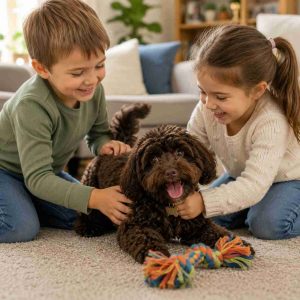 Maltipoos are generally wonderful with children who understand how to interact respectfully with a small dog. Their playful personalities make them enthusiastic playmates, while their affectionate nature means they enjoy spending time with the whole family.
Because Maltipoos are relatively small and lightweight, they can be injured if they’re dropped, stepped on, or handled too roughly. Young children should always be supervised and taught to treat the dog gently.
When children and dogs learn to respect one another, the friendship can be incredibly rewarding for both.
Living with Other Dogs
Most Maltipoos are naturally sociable and enjoy the company of other friendly dogs. Early socialization helps them develop good canine manners and confidence around unfamiliar dogs.
Many Maltipoos thrive in multi-dog households, especially when introductions are calm and positive.
Do Maltipoos Get Along with Cats?
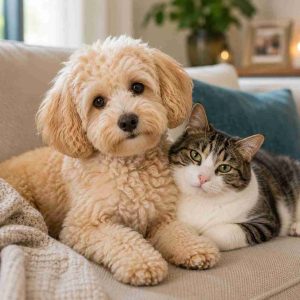 Yes. In many cases, Maltipoos coexist very peacefully with cats. Their low prey drive and friendly disposition often allow them to form close relationships with feline family members.
As with any introduction, patience is key. Give both pets time to adjust, supervise early interactions, and allow the cat access to safe spaces where it can retreat if needed.
Singles, Couples, and Retirees
Maltipoos make exceptional companions for people living alone, couples without children, and retirees looking for a loyal best friend. Their manageable size, moderate exercise needs, and love of human companionship make them ideal partners for people who spend a lot of time at home.
Many owners describe their Maltipoo as a constant shadow—always nearby, always curious, and always eager to share whatever the day brings.
Busy Families
Maltipoos can also thrive in active family homes, provided someone is available to give them the companionship they crave. They enjoy joining family activities, travelling on outings, and being involved in everyday routines.
Families should remember that Maltipoos don’t enjoy spending long hours alone on a regular basis. If everyone is away for most of the day, arrangements for a pet sitter, dog walker, or doggy daycare may help prevent boredom and separation anxiety.
Who Should Think Twice?
Although the Maltipoo is remarkably adaptable, the breed may not be the best choice for every household.
You may wish to consider another breed if:
- Your dog will be left alone for long periods every day.
- You prefer a dog with very low grooming requirements.
- You have extremely young children who may accidentally injure a small dog.
- You’re looking for a rugged companion for strenuous outdoor adventures.
For the right family, however, few breeds offer the same combination of affection, intelligence, adaptability, and companionship as the Maltipoo.
The happiest Maltipoos are those who feel like true members of the family. Include your dog in everyday activities, provide plenty of companionship, and encourage positive interactions with children and other pets from an early age. The result is often a confident, loving companion who fits beautifully into family life.
Maltipoo Apartment Living
 If you’re looking for a dog that’s well suited to apartment or condominium living, the Maltipoo is an excellent choice. Their compact size, moderate exercise needs, and adaptable personality allow them to thrive in smaller homes—as long as they receive plenty of attention, daily exercise, and mental stimulation.
Unlike some high-energy breeds that require large yards to stay happy, Maltipoos are perfectly content living in apartments, townhouses, or condos. What matters most to them isn’t the size of your home—it’s the amount of time they get to spend with you.
Small Home, Big Personality
Although Maltipoos don’t need a large backyard, they do need opportunities to burn off energy each day. Regular walks, indoor play sessions, and training games provide more than enough activity for most healthy adults.
Many apartment owners are surprised by how much exercise their Maltipoo gets simply by following them around the home throughout the day.
Managing Barking
Maltipoos are naturally alert and may bark to announce visitors, unusual sounds, or activity in the hallway. In apartment buildings where neighbours live close by, teaching a reliable “quiet” cue is an important part of training.
Dogs that receive adequate exercise and companionship are generally far less likely to develop nuisance barking than those left alone for long periods.
Potty Breaks
Living in an apartment simply means planning regular bathroom breaks throughout the day. Most adult Maltipoos are comfortable with several outdoor walks, while young puppies require much more frequent trips outside as they develop bladder control.
Some owners also train their Maltipoos to use an indoor potty system during emergencies or severe weather, although regular outdoor bathroom breaks remain the preferred option whenever possible.
Preventing Separation Anxiety
One challenge for apartment dwellers is that Maltipoos form exceptionally close bonds with their owners. If left alone too often, they may become anxious, vocal, or destructive.
If you work long hours away from home, consider arranging for:
- A trusted family member or friend to visit.
- A professional dog walker.
- A reputable doggy daycare.
- Interactive toys and puzzle feeders to provide mental stimulation.
Helping your Maltipoo become comfortable spending short periods alone from an early age can also reduce the likelihood of separation anxiety developing.
Making Apartment Life Fun
Apartment living doesn’t have to be boring. Maltipoos enjoy exploring new walking routes, visiting pet-friendly cafés and parks, learning new tricks, and meeting friendly neighbours and dogs.
Changing up your daily routine with new sights, smells, and experiences provides valuable mental enrichment while strengthening the bond between you and your dog.
Apartment living is less about square footage and more about lifestyle. A Maltipoo that receives daily walks, mental stimulation, companionship, and consistent training will often be happier in a small apartment with an attentive owner than in a large house where it’s left alone all day.
Are Maltipoos Good for First-Time Dog Owners?
If you’ve never owned a dog before, the Maltipoo is one of the best breeds you could choose. Their friendly personality, intelligence, manageable size, and eagerness to please make them forgiving of the small mistakes that every new dog owner makes.
While no breed is completely maintenance-free, Maltipoos are generally easier to live with than many other dogs. They don’t require excessive exercise, they’re highly trainable, and they genuinely enjoy working with their families. For many people, a Maltipoo provides the perfect introduction to dog ownership.
Why Maltipoos Make Great First Dogs
There are several reasons why experienced trainers and owners often recommend Maltipoos to beginners.
- Easy to Train: Their intelligence and eagerness to please make learning enjoyable for both dog and owner.
- Manageable Size: A small dog is generally easier to handle, transport, groom, and care for than a larger breed.
- Affectionate Nature: Maltipoos thrive on companionship and quickly become devoted family members.
- Adaptable Lifestyle: They adjust well to apartments, houses, singles, couples, families, and retirees.
- Moderate Exercise Needs: Daily walks and playtime are usually enough to keep them healthy and happy.
Challenges New Owners Should Expect
Even though Maltipoos are beginner-friendly, every dog comes with responsibilities. Understanding those responsibilities before bringing home a puppy helps ensure a successful relationship.
New owners should be prepared for:
- Regular brushing and professional grooming.
- Patient, consistent house training.
- Daily companionship and interaction.
- Routine veterinary care.
- Ongoing training and socialization.
These commitments are well within the abilities of most first-time owners, provided they’re willing to invest time and patience.
The Importance of Puppy Classes
Enrolling your Maltipoo in a positive reinforcement puppy class is one of the best investments you can make. Puppy classes help build confidence, teach essential life skills, improve socialization, and give new owners valuable guidance during the early months.
Training together also strengthens the bond between you and your new companion.
Building Good Habits Early
The habits your Maltipoo develops during puppyhood often last a lifetime. Establishing routines for feeding, grooming, exercise, bedtime, and toilet training creates security and helps puppies understand what’s expected of them.
Consistency, patience, and positive reinforcement are far more effective than punishment or harsh corrections.
Support Is Always Available
No matter how much you prepare, every new dog owner has questions. Fortunately, veterinarians, qualified trainers, reputable breeders, and experienced Maltipoo owners can all provide valuable advice when challenges arise.
Remember that raising a well-adjusted dog is a journey, not a race. Every training session, walk, and shared experience helps strengthen the lifelong relationship between you and your Maltipoo.
If you’re a first-time dog owner, focus on building trust rather than expecting perfection. Keep training sessions short and enjoyable, establish consistent routines, and celebrate small successes. With patience and positive guidance, your Maltipoo will quickly become a confident, well-mannered companion.
Is a Maltipoo Right for You?
By now, you’ve learned that the Maltipoo is affectionate, intelligent, playful, and wonderfully adaptable. But the most important question remains: Is a Maltipoo the right dog for your lifestyle?
No dog breed is perfect for everyone. The happiest relationships happen when a dog’s needs match its owner’s expectations, lifestyle, and available time. Taking an honest look at your daily routine now can help ensure years of happiness for both you and your future companion.
A Maltipoo May Be Perfect for You If…
You may be an excellent match for a Maltipoo if you:
- ✔ Want a loving companion that’s happiest by your side.
- ✔ Live in an apartment, condo, or smaller home.
- ✔ Have time for daily companionship and interaction.
- ✔ Enjoy short walks and interactive play.
- ✔ Don’t mind regular brushing and professional grooming.
- ✔ Are looking for an intelligent, highly trainable dog.
- ✔ Want a breed that generally gets along well with children and other pets.
- ✔ Are a first-time dog owner looking for a manageable breed.
A Maltipoo Might Not Be the Best Choice If…
You may want to consider another breed if you:
- ✘ Spend long hours away from home every day.
- ✘ Prefer a dog with very low grooming requirements.
- ✘ Want a jogging, hiking, or endurance companion.
- ✘ Are looking for an independent dog that’s happy being left alone.
- ✘ Aren’t prepared for ongoing grooming expenses.
The Ideal Maltipoo Home
The ideal Maltipoo home isn’t defined by its size—it’s defined by the people who live there. These little dogs thrive in homes where they’re included in daily activities, receive plenty of affection, and enjoy a predictable routine.
Whether they’re accompanying you on a morning walk, helping you work from home, joining you on a road trip, or simply relaxing beside you in the evening, Maltipoos are happiest when they feel like valued members of the family.
A Commitment for Life
Bringing a Maltipoo into your home is a commitment that may last 15 years or longer. During that time, your dog will depend on you for food, veterinary care, grooming, exercise, training, and—perhaps most importantly—love and companionship.
In return, you’ll gain a loyal friend who will celebrate your happiest moments, comfort you during difficult days, and greet you with genuine enthusiasm every time you walk through the door.
Don’t choose a Maltipoo simply because they’re adorable—and they certainly are! Choose one because their personality, care requirements, and need for companionship fit comfortably into your lifestyle. When the match is right, a Maltipoo can become one of the most rewarding companions you’ll ever have.
Choosing a Maltipoo Breeder
 Finding the right breeder is one of the most important decisions you’ll make when bringing a Maltipoo into your family. A responsible breeder does much more than produce puppies—they carefully select healthy parent dogs, provide excellent prenatal and puppy care, begin early socialization, and remain a source of support long after your puppy goes home.
Unfortunately, the Maltipoo’s popularity has also attracted puppy mills and backyard breeders who place profit ahead of the health and welfare of their dogs. Taking the time to research breeders carefully can greatly improve your chances of welcoming a healthy, well-adjusted puppy into your home.
What to Look for in a Responsible Breeder
Ethical breeders are proud of the dogs they produce and are happy to answer your questions. They should be knowledgeable about both the Maltese and the Poodle and willing to discuss the strengths and potential health concerns of each breed.
A reputable breeder will typically:
- ✔ Perform appropriate health testing on breeding dogs.
- ✔ Raise puppies in a clean, stimulating home environment.
- ✔ Begin early socialization and gentle handling.
- ✔ Provide veterinary records and vaccination history.
- ✔ Encourage you to meet the puppies and, whenever possible, at least one parent.
- ✔ Offer a written health guarantee and sales contract.
- ✔ Ask you questions to ensure their puppies are going to suitable homes.
- ✔ Be available for advice throughout your dog’s life.
Questions to Ask a Breeder
Before committing to a puppy, don’t be afraid to ask plenty of questions. A responsible breeder will welcome them.
Consider asking:
- What health testing has been completed on the parents?
- Can I meet the puppy’s mother?
- How are the puppies socialized?
- What food are the puppies currently eating?
- Has the puppy been examined by a veterinarian?
- What vaccinations and parasite treatments have been provided?
- Do you provide ongoing support after adoption?
Warning Signs
Be cautious if a breeder:
- ✘ Refuses to answer questions.
- ✘ Won’t allow you to see where the puppies are raised.
- ✘ Always has multiple litters available.
- ✘ Offers to meet only in a parking lot or other neutral location.
- ✘ Cannot provide health testing information.
- ✘ Pressures you to buy immediately.
- ✘ Appears more interested in making a sale than finding the right home.
Should You Buy the First Puppy You See?
It’s easy to fall in love with an adorable Maltipoo puppy, but patience often pays off. Spend time observing the litter, talking with the breeder, and learning about each puppy’s personality.
The most outgoing puppy isn’t always the best choice, nor is the quietest. A responsible breeder who knows the puppies well can often recommend the one whose temperament best matches your lifestyle.
Consider Adoption, Too
Not every Maltipoo comes from a breeder. Breed-specific rescues, local shelters, and all-breed rescue organizations occasionally have Maltipoos and Maltipoo mixes looking for loving homes.
Adopting an adult dog can be a wonderful option for families who would prefer to skip the demanding puppy stage while giving a deserving dog a second chance.
Choose your breeder with your head, not just your heart. A healthy, well-socialized puppy from a responsible breeder is far more important than finding a specific colour, coat type, or the first available puppy. The effort you invest before bringing your Maltipoo home will often be rewarded for many years to come.
Maltipoo Adoption & Rescue
 While many people begin their search by looking for a Maltipoo puppy, adoption is another wonderful way to welcome one of these affectionate dogs into your family. Every year, Maltipoos and Maltipoo mixes find themselves in need of new homes due to changes in their owners’ circumstances—not because they’ve done anything wrong.
Adopting a dog gives them a second chance while giving you the opportunity to gain a loyal companion. For many families, adopting an adult Maltipoo is every bit as rewarding as raising a puppy.
Where to Adopt a Maltipoo
If you’re hoping to adopt, start your search with:
- Breed-specific Maltipoo rescue organizations.
- Maltese rescue groups.
- Poodle rescue organizations.
- Local animal shelters and humane societies.
- All-breed rescue organizations.
- Pet Rehoming Network and other private pet rehoming services.
Because Maltipoos are a popular breed, available dogs are often adopted quickly. Patience and persistence can make all the difference.
Why Dogs Need New Homes
Most Maltipoos entering rescue are not surrendered because of behavioural problems. More commonly, they’re looking for new homes because of circumstances beyond their owners’ control, such as:
- Moving to accommodation that doesn’t allow pets.
- Financial hardship.
- Illness or the death of an owner.
- Changes in family circumstances.
- Allergies within the household.
- Lack of time to properly care for the dog.
Many rescued Maltipoos are already house-trained, understand basic commands, and are accustomed to living in a family home.
Should You Adopt a Puppy or an Adult?
Both options have their advantages.
A puppy allows you to shape your dog’s training and socialization from an early age, but it also requires significant time, patience, and commitment.
An adult Maltipoo often arrives with an established personality, making it easier to determine whether the dog is a good fit for your family. Many adult dogs have already completed house training and moved beyond the demanding puppy stage.
Preparing for Adoption
Before bringing your new companion home, make sure you have everything you’ll need, including:
- A comfortable bed.
- Food and water bowls.
- A high-quality small-breed dog food.
- A collar or harness and leash.
- Safe chew toys and enrichment toys.
- A crate or secure resting area.
- A grooming brush and comb.
Giving your new Maltipoo time to adjust, establish routines, and build trust will help them settle into their new home more quickly.
Every Adoption Changes Two Lives
When you adopt a Maltipoo, you don’t just gain a companion—you also create space for another dog in need. Adoption is one of the most meaningful ways to support animal welfare while welcoming an appreciative new family member into your home.
If you’re open to adopting an adult Maltipoo, don’t overlook rescue organizations. Many wonderful dogs are waiting for loving homes through no fault of their own, and adult dogs often transition into family life more quickly than people expect.
Frequently Asked Questions About Maltipoos
Still have questions? Here are answers to some of the questions prospective Maltipoo owners ask most often. If you don’t see your question here, feel free to explore the other sections of this guide for more detailed information.
Are Maltipoos good family dogs?
Yes. Maltipoos are affectionate, gentle, and playful companions that usually do very well with families. They enjoy spending time with people of all ages, although young children should always be taught how to handle small dogs carefully and respectfully.
Do Maltipoos shed?
Maltipoos are considered a low-shedding breed, but they are not completely non-shedding. Loose hair often becomes trapped within the coat, making regular brushing essential to prevent tangles and mats.
Are Maltipoos hypoallergenic?
No dog is truly hypoallergenic. However, many Maltipoos produce less loose hair and dander than heavy-shedding breeds, making them a better choice for some people with mild allergies.
How big do Maltipoos get?
Most adult Maltipoos stand between 8 and 14 inches (20 to 36 cm) tall and weigh between 5 and 20 pounds (2 to 9 kg), depending largely on the size of their Poodle parent.
How much exercise does a Maltipoo need?
Most healthy adults are happy with 30 to 60 minutes of daily exercise, combined with interactive play and mental stimulation.
Are Maltipoos easy to train?
Yes. Their intelligence and eagerness to please make them one of the easiest small breeds to train using positive reinforcement methods.
Can Maltipoos be left alone?
Maltipoos form strong bonds with their families and generally don’t enjoy being left alone for long periods. Without enough companionship, some may develop separation anxiety or nuisance barking.
How often should a Maltipoo be groomed?
Most Maltipoos should be brushed several times each week and professionally groomed every 6 to 8 weeks to keep their coat healthy and free of mats.
Do Maltipoos bark a lot?
Maltipoos are naturally alert and may bark when someone approaches the home or when they hear unfamiliar sounds. With proper training and adequate mental stimulation, excessive barking can usually be managed.
How long do Maltipoos live?
The average Maltipoo lifespan is between 12 and 16 years, although many enjoy even longer lives when provided with excellent nutrition, regular veterinary care, routine dental care, and plenty of love and companionship.
Are Maltipoos good for first-time dog owners?
Absolutely. Their manageable size, friendly personality, intelligence, and adaptability make them one of the best choices for first-time dog owners who are prepared to meet their grooming and companionship needs.
If you’re considering adding a Maltipoo to your family, spend time learning about both the joys and responsibilities of ownership. A well-informed owner is far more likely to raise a happy, healthy, and well-adjusted companion.
Continue Exploring
We hope this guide has helped you get to know the delightful Maltipoo a little better. Whether you’re still deciding if this affectionate designer breed is right for you or you’ve already welcomed one into your family, learning about related breeds and dog care topics can help you become an even more confident dog owner.
Here are a few more Dogs Central guides you may enjoy:
- Maltese Dog Breed Guide – Discover one of the Maltipoo’s elegant parent breeds.
- Toy Poodle Dog Breed Guide – Learn about the intelligence and athleticism inherited from the Poodle.
- Cavapoo Breed Guide
- Cockapoo Breed Guide
- Morkie Breed Guide
- Havapoo Breed Guide
- Yorkipoo Breed Guide
- Small Dog Breeds – Compare dozens of popular small breeds.
- Best Small Dogs for First-Time Owners
- Best Dogs for Apartment Living
Thinking About Bringing Home a Maltipoo?
Choosing a dog is an important decision, and we’re here to help. Take your time, research breeders or rescue organizations carefully, and think honestly about the amount of time, grooming, training, and companionship a Maltipoo will need throughout its life.
The more informed your decision, the more rewarding your relationship with your future companion is likely to be.
The best dog isn’t necessarily the most popular breed—it’s the one that fits your lifestyle. Continue exploring our breed guides, compare your options, and choose the companion that will be happiest sharing your life for years to come.
Trusted Resources
At Dogs Central, we believe that the best dog owners are well-informed dog owners. While we’ve worked hard to make this guide as accurate, practical, and up to date as possible, it’s always a good idea to consult trusted veterinary organizations, breed clubs, and canine health experts when making important decisions about your dog’s care.
The following organizations provide reliable, evidence-based information about dog health, nutrition, training, responsible breeding, and pet ownership.
- American Kennel Club (AKC)
Information on dog breeds, responsible ownership, training, sports, and canine health. - Canadian Kennel Club (CKC)
Canada’s national kennel club, offering resources on responsible breeding and dog ownership. - The Kennel Club (UK)
Health information, breed standards, responsible breeding guidance, and puppy buying advice. - World Small Animal Veterinary Association (WSAVA)
International veterinary guidelines covering nutrition, vaccinations, preventive healthcare, and animal welfare. - American Animal Hospital Association (AAHA)
Evidence-based recommendations for preventive veterinary care, vaccinations, nutrition, and wellness. - American Veterinary Medical Association (AVMA)
Reliable information on canine health, disease prevention, pet safety, and responsible pet ownership.
Our Commitment to Accuracy
Dogs Central is committed to publishing practical, evidence-based information that helps dog lovers make informed decisions. Every effort is made to ensure our content reflects current veterinary recommendations and responsible dog ownership practices.
Because veterinary knowledge continues to evolve, we regularly review and update our breed guides to keep them as accurate and helpful as possible.
No online guide can replace the advice of your veterinarian. If your Maltipoo develops health concerns or you’re unsure about any aspect of their care, consult a qualified veterinary professional who can provide advice tailored to your individual dog.
This Guide Is Growing
At Dogs Central, we believe the best breed guides are never truly finished.
As new veterinary research becomes available, health recommendations evolve, and we create additional resources for Maltipoo owners, we’ll continue updating and expanding this guide. Our goal is to make it one of the most complete, practical, and trustworthy Maltipoo resources available anywhere online.
Future additions to this guide may include:
- Printable puppy shopping and preparation checklist.
- Monthly Maltipoo growth and development milestones.
- Age-by-age feeding recommendations.
- Interactive grooming and maintenance calendar.
- Common behavior problems and training solutions.
- Maltipoo puppy socialization guide.
- Recommended toys, enrichment activities, and games.
- Seasonal care tips for summer and winter.
- Senior Maltipoo care and healthy aging advice.
- More photographs, infographics, videos, and downloadable resources.
Have a Suggestion?
We’re always looking for ways to improve our breed guides. If there’s a topic you’d like us to cover or a question you’d like answered, we’d love to hear from you. Your feedback helps us build better resources for dog lovers everywhere.
Thank You for Visiting Dogs Central
Whether you’re researching your very first dog or you’ve shared your life with Maltipoos for years, thank you for spending time with us. We hope this guide has helped you better understand this charming, intelligent, and affectionate little companion.
Be sure to bookmark this page and visit again soon—we’ll continue adding new information, helpful resources, and practical advice as Dogs Central grows.
Our mission is simple: to help every dog owner make informed, compassionate decisions through clear, practical, evidence-based information. We’re committed to keeping this guide accurate, up to date, and genuinely useful for years to come.